That Chapter's Carly Gregg Video: A Family Case Told Through the Camera at Home
On March 19, 2024, Ashley Smylie, a math teacher at Northwest Rankin High School, came home to Brandon, Mississippi, with her 14-year-old daughter. Within hours, Ashley was dead, her husband Heath had been shot, and Carly Gregg was in custody. That Chapter's documentary follows how a confrontation inside one home became a murder trial in Rankin County.
That Chapter, hosted by Mike, is known for contained, single-case documentaries told in a direct, conversational style. This 28-minute entry is a representative example: it stays with one household, lays out the day in sequence, and then follows the case through capture, trial, verdict, and sentence, rather than ranging across unrelated cases.
The video, published in November 2024 — about two months after the trial ended — has drawn more than 1 million views. Its timing matters: unlike a video made while proceedings were still open, it can follow the story from the first reports through to a jury's decision.
At a Glance
| Video | “The Horrifying Case of Carly Gregg” |
|---|---|
| Channel | That Chapter |
| Published | November 26, 2024 |
| Length | ~28 minutes |
| Views | 1.08M+ |
| Subject | The March 2024 killing of Ashley Smylie in Brandon, Mississippi; the shooting of Heath Smylie and Carly Gregg's trial |
What the Video Covers
The video opens in Rankin County, Mississippi, with Carly Gregg's background and what it describes as troubling signs before March 19, 2024. As the video and trial reporting present it, Ashley Smylie had learned that her daughter had been using marijuana and vape products and keeping a burner phone, and she confronted Carly after school that day.
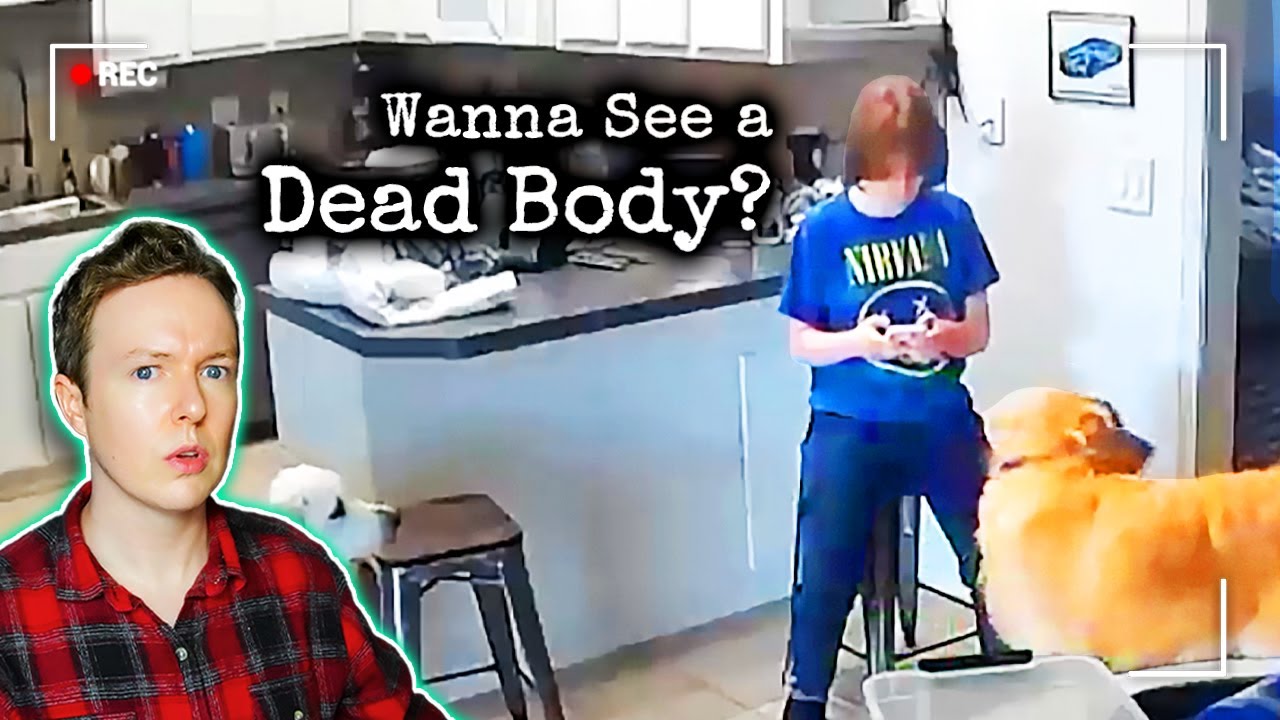
The middle section reconstructs the day itself. Carly retrieved a .357 Magnum revolver from her parents' bedroom and shot her mother. Home security footage from the kitchen became central evidence in the case. Afterward, she used her mother's phone to text her stepfather, Heath Smylie, asking when he would be home, contacted friends, and hid a security camera — conduct that later supported a tampering-with-evidence charge.
When Heath Smylie arrived home, he was shot in the shoulder and survived. Carly fled and was captured. The final section follows the September 2024 trial in Rankin County, where she was tried as an adult: a jury convicted her of first-degree murder, attempted murder, and tampering with evidence, and she was sentenced to life in prison without the possibility of parole, plus 10 years on the tampering count.
Strengths
The chronology is clear. The video's chaptered structure — background, warning signs, the day, the messages, the shooting of Heath Smylie, capture, the hidden camera, and the trial — makes a fast-moving case easy to follow without losing the sequence that mattered in court.
It is grounded in evidence viewers can assess. The home security footage, the messages sent from Ashley Smylie's phone, and the trial testimony give the account a concrete basis. The video explains why each item mattered to prosecutors rather than relying only on narration about motive.
The victim stays in view. Ashley Smylie is presented as a teacher and mother, not only as part of the timeline, and Heath Smylie's position — a survivor who lost his wife the same day he was shot — is treated as part of the case, not a footnote to it.
Weaknesses
The telling is brisk for the subject. At about 28 minutes, the video moves quickly through background, two shootings, a capture, and a five-day trial. Viewers who want the fuller trial record, including the detail of the mental-health arguments raised by the defence, will need to read court reporting alongside it.
Motive is necessarily contested. Prosecutors linked the shootings to the confrontation over marijuana, vapes, and a burner phone, while the defence raised Carly Gregg's mental state. The video reports those positions, but viewers should treat any single explanation of why a 14-year-old acted as she did as argument presented in court, not as settled fact.
Little room for the wider questions. A case in which a 14-year-old is tried as an adult and sentenced to life without parole raises juvenile-justice questions that a single-case documentary of this length can only touch briefly. The video is strongest as an account of this case, not as an examination of that policy debate.
Who Should Watch
- That Chapter regulars — a contained, single-case entry in the channel's established style, with a completed trial to follow through.
- Court-evidence viewers — the home-camera footage, the phone messages, and how they were used at trial are the centre of the account.
- True crime viewers who prefer resolved cases — the video covers investigation, verdict, and sentence, with no open investigation left hanging.
- Viewers new to the case — the chaptered, chronological telling is easy to follow without prior knowledge of the Brandon case.
8/10
A clear, evidence-led account of a difficult family case — the chronology is easy to follow, the camera and message evidence is well explained, and Ashley Smylie stays at the centre. Brisk on the trial's contested questions, but a strong, contained That Chapter entry.
Source: That Chapter on YouTube (“The Horrifying Case of Carly Gregg,” published November 26, 2024); case background via Rankin County trial reporting on the September 2024 conviction and life sentence.