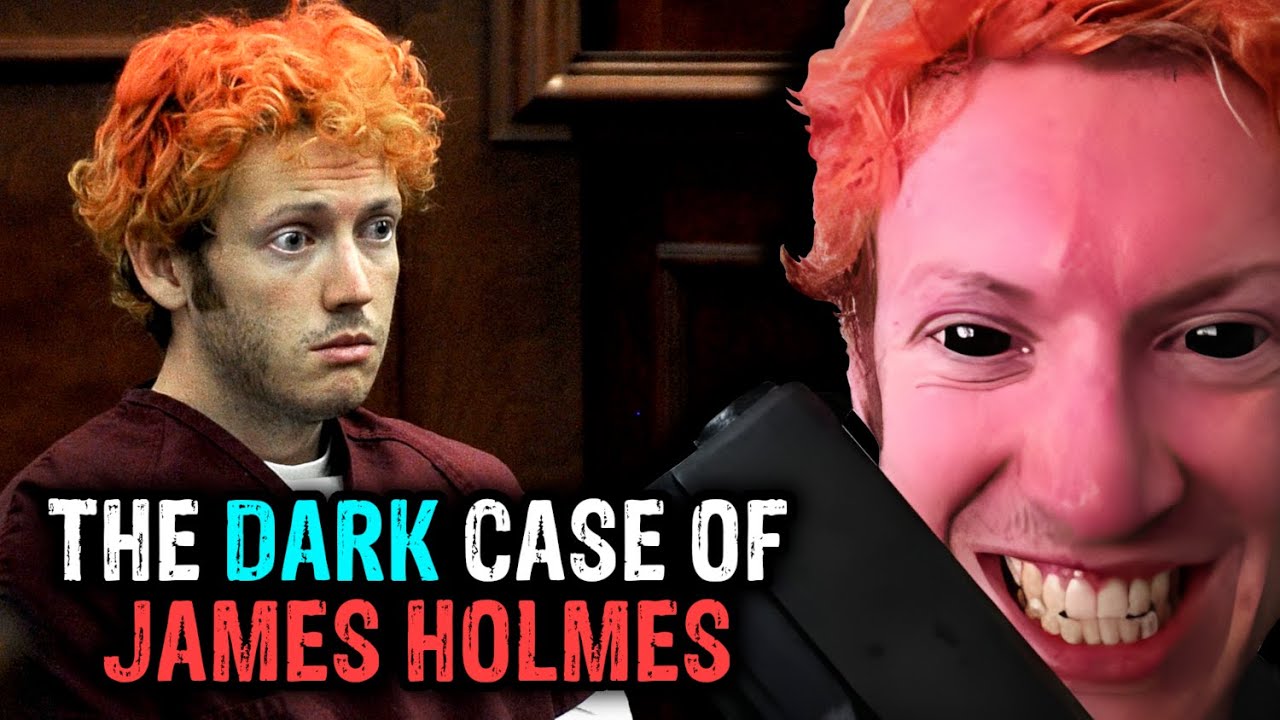
Content note: this video discusses a real mass shooting — the 2012 Aurora theater attack — and includes descriptions of murder and graphic violence that some viewers may find distressing.
The Diary, the Downfall, and the “Dark Knight” Massacre
Twelve people were killed at a midnight screening of The Dark Knight Rises in 2012. Coffeehouse Crime’s case file on the Aurora massacre stands out for one reason: the diary the shooter left behind — and what it reveals about the months before the attack.
If YouTube true crime has a workhorse, it is Coffeehouse Crime. Run by creator Adrian Stewart in a calm, methodical “barista” cadence, the channel — around 2.9 million subscribers — built its audience on long case documentaries: no shouting, no jump-scare editing, just the timeline laid out end to end.
The Aurora video, published in December 2023, takes on one of the most documented mass shootings in American history. That is both its challenge and its achievement. With the facts long settled — James Holmes was convicted on all 165 counts in 2015 and sentenced to life without parole — the video has to earn its 32 minutes through structure and sourcing rather than revelation. It mostly succeeds.
At a Glance
| Video | “The Morbid Case of The “Dark Knight” Massacre | 12 Fatalities…” |
|---|---|
| Channel | Coffeehouse Crime |
| Published | December 14, 2023 |
| Length | ~32 minutes |
| Views | 771K+ (July 2025) |
| Subject | The 2012 Aurora theater shooting; Holmes’s background, diary, and trial |
What the Video Covers
The video opens in San Diego with Holmes’s childhood — including his reported claims of seeing “nail ghosts” — then follows him through a neuroscience degree at UC Riverside into a doctoral program at the University of Colorado’s Anschutz Medical Campus, which he left in June 2012, weeks before the attack.
The middle act is the video’s core: a two-part walkthrough of the diary-style notebook Holmes mailed to his university psychiatrist, laying out his planning in his own words. Then comes July 20, 2012 — the midnight screening at Aurora’s Century 16, the gas canister, the gunfire that killed 12 and wounded 70 — handled briskly and without lingering on graphic detail.
It closes with the aftermath: the victims remembered by name, the booby-trapped apartment, the 2015 trial, and the jury’s deadlock on the death penalty that left Holmes serving life without parole.
Strengths
The diary is the differentiator. Plenty of videos recap Aurora; few center the shooter’s own notebook the way this one does, devoting two full chapters to his planning and mindset. It turns a familiar timeline into something closer to a psychological autopsy.
Victim-conscious framing. The video pauses for remembrance — a dedicated aftermath chapter and a closing “our scars run deep” segment — and never treats the attack as spectacle. For a mass-shooting documentary, that restraint matters.
Clean, complete timeline. From childhood to sentencing in 32 minutes, with labeled chapters that make it easy to navigate. Newcomers to the case get the full arc in one sitting.
Weaknesses
No new ground for the well-read. If you followed the 2015 trial coverage, every beat here is familiar. The video synthesizes rather than investigates — no interviews, no fresh documents, no interrogation footage to analyze.
The psychology stays surface-level. For a case so defined by the insanity-defense debate, the video sketches Holmes’s mental state rather than dissecting it. Viewers wanting a deep breakdown of why the jury rejected the insanity defense will want a companion watch.
Heavy by design. Thirty-two minutes on a theater massacre is a lot, and the calm narration doesn’t lighten it. This is a one-sitting documentary, not casual viewing.
Who Should Watch
- True crime documentary fans — this is the genre done competently, start to finish.
- Case newcomers — if Aurora is a headline you half-remember, this is the most efficient full briefing on YouTube.
- Psychology-curious viewers — the diary chapters offer a rare primary-source window into premeditation.
- Video essay fans — the chaptered, unsensational structure makes it rewatchable and easy to cite.
8/10
A disciplined, victim-conscious retelling of one of America’s darkest nights. The diary chapters elevate it above the average case recap — but trial-followers will find little they haven’t seen. Start here if Aurora is new to you.
Source: Coffeehouse Crime on YouTube; case facts via CNN’s Colorado Theater Shooting Fast Facts and Associated Press trial reporting.