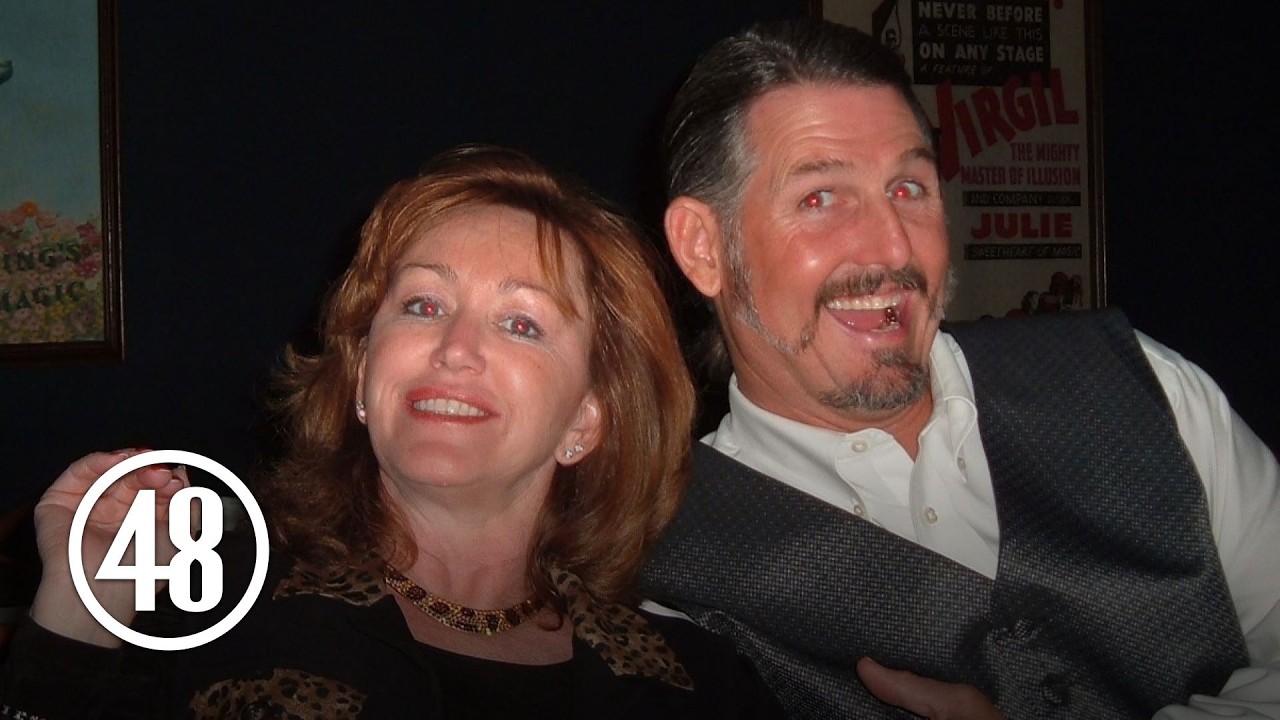
Watch the video: https://www.youtube.com/watch?v=RNnMAATsOqM
48 Hours' Showdown in the Bedroom Video: A Self-Defense Claim a Jury Had to Weigh
On November 14, 2006, Charlene Hill shot her husband, Danny, three times in their bedroom and then dialed 911 and told police what she had done. She said she feared he was going to kill her. The question that followed — in two trials — was whether the law would call that self-defense.
This is a classic 48 Hours episode, first aired in January 2012 and updated in a June 2012 rebroadcast, now re-released in full on the 48 Hours YouTube channel. Correspondent Richard Schlesinger reports, and the hour is built around interviews with Charlene Hill herself, as well as her son and daughter.
What makes the episode endure is that it does not present a whodunit. Charlene never denied shooting Danny. The dispute is narrower and harder: what the documented history of abuse in a 25-year marriage should mean, and whether the forensic evidence from that night fits the account she gave.
At a Glance
| Video | “Showdown in the Bedroom | Full Episode” |
|---|---|
| Channel | 48 Hours |
| Published | Episode from June 2012; full episode on YouTube |
| Length | ~40 minutes |
| Subject | The 2006 shooting of Danny Hill in Houston; Charlene Hill's self-defense claim, the documented abuse, and her two trials |
What the Video Covers
The episode opens on the marriage. According to CBS's own listing for the broadcast, everyone seemed to know that Charlene Hill was abused by her husband, Danny, throughout most of their 25-year marriage — a history the later podcast summary notes was documented by police reports and hospital visits, and which even their children acknowledged about their father.
It then turns to November 2006 in Houston. Charlene, fearing Danny was going to kill her, shot him three times in their bedroom. She then called 911 and admitted shooting him, saying it was in self-defense. Schlesinger examines the forensic evidence police said contradicted her version of the shooting — the point on which the prosecution's case rested.
The legal arc takes up the second half. Charlene first stood trial for murder in 2009, but the jury deadlocked and the judge declared a mistrial. She was retried two years later. The episode, in CBS's words, raises serious questions about spousal abuse and the limitations of the law — including the question it poses directly: would Danny have killed Charlene if she had not killed him first?
Strengths
The central question is honestly framed. The episode does not pretend the shooting is in dispute. It keeps the focus where the trials put it: on intent, imminence, and how a documented history of abuse should be weighed alongside forensic evidence from a single night.
The family is heard, not just the lawyers. Schlesinger interviews Charlene, her son, and her daughter. That gives viewers the household's own account of the marriage, rather than only the competing courtroom versions of it.
It follows the case through a retrial. Because the episode was updated after the first trial ended in a deadlock, it can show how the same facts were argued twice — a useful, concrete lesson in why juries can struggle with self-defense claims inside a marriage.
Weaknesses
It is a rebroadcast of an older hour. This is a classic episode from 2012, re-released on YouTube, not new reporting. Viewers looking for where Charlene Hill's life stands today will not find that update here.
The forensic dispute is presented more than resolved. The episode notes that police said the evidence contradicted Charlene's version, but viewers who want a detailed, independent breakdown of the trajectory evidence will need court reporting beyond the broadcast.
The format compresses a 25-year history. At about 40 minutes, years of police reports and hospital visits are necessarily summarized. That brevity helps the narrative, but it can flatten a long, complicated record into a single storyline.
Who Should Watch
- Viewers interested in self-defense law — a clear, contained example of how the doctrine is tested when the threat is a spouse, not a stranger.
- 48 Hours regulars — a strong classic episode, with direct interviews with the defendant and her children.
- Domestic-violence policy readers — the episode's questions about abuse documentation and the limits of the law remain relevant.
- Trial-watchers — a hung jury followed by a retrial, on substantially the same facts, in one hour.
8/10
A measured, difficult hour — not a mystery about who fired, but a serious examination of a self-defense claim, a documented history of abuse, and forensic evidence that pointed the other way. Dated in format, but the question it asks has not dated at all.
Source: 48 Hours on YouTube (“Showdown in the Bedroom | Full Episode,” episode from June 2012, reported by Richard Schlesinger); case and broadcast background via CBS / Paramount Press Express and The Futon Critic listings for the June 30, 2012 rebroadcast.