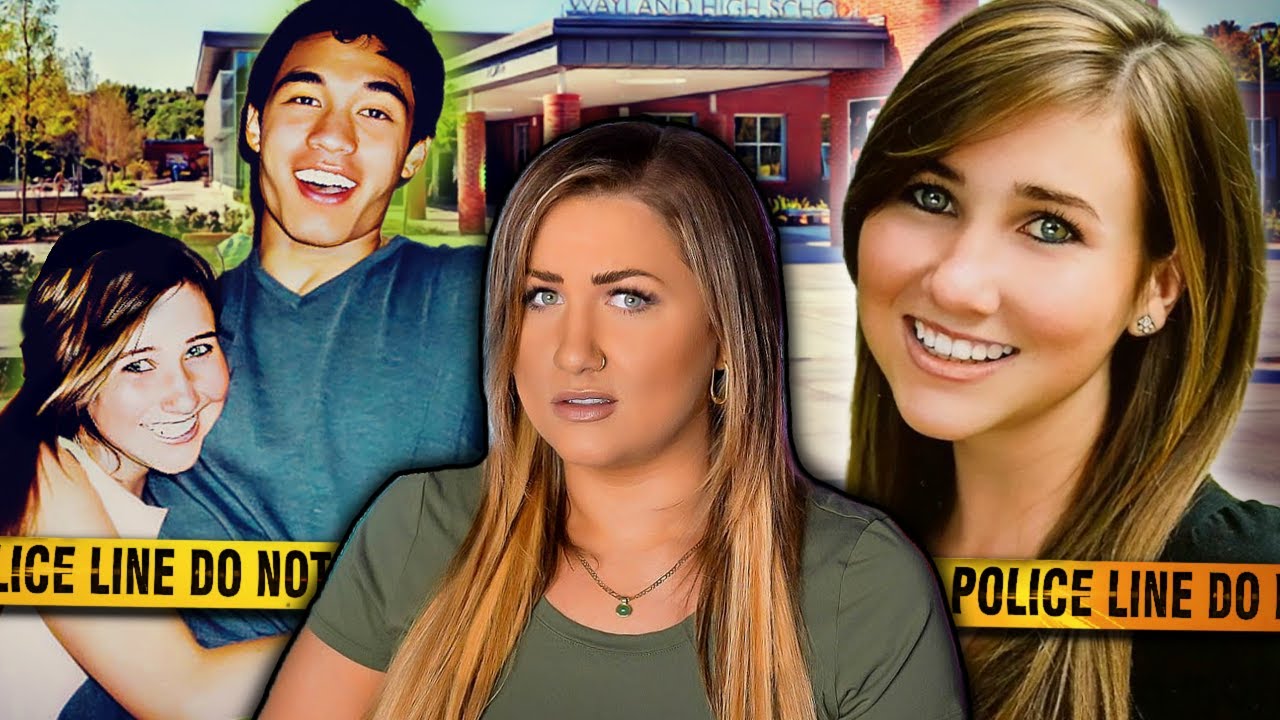
Kendall Rae's Lauren Astley Documentary: A Case That Became a Warning
In July 2011, 18-year-old Lauren Dunne Astley was spending her last summer at home in Massachusetts before starting college at Elon University. Days later she was dead — strangled in her ex-boyfriend's garage, killed for ending the relationship. Kendall Rae's ~40 minutes documentary traces the case from the breakup to the courtroom, and the mission her grieving parents took up next.
Kendall Rae has built one of true crime's largest audiences — roughly four million subscribers — on a victim-first approach, and this 2024 documentary is a clear example of it. The film never loses sight of Lauren: her plans, her personality, and the ordinary teenage summer that an abusive ex-partner turned into a crime scene.
The video, published April 16, 2024, has pulled in 760K+ — a sign of how the case continues to resonate. Structured around police evidence, courtroom testimony, and the family's advocacy work, it plays less like a whodunit than like a cautionary record: this is what breakup violence looks like, and this is what it costs.
At a Glance
| Video | “High School Grad Killed After Dumping Her Boyfriend: The Murder of Lauren Astley” |
|---|---|
| Channel | Kendall Rae |
| Published | April 16, 2024 |
| Length | ~40 minutes |
| Views | 760K+ |
| Subject | The 2011 murder of Lauren Astley; breakup violence and the family's advocacy |
What the Video Covers
The video opens with Lauren's background: an 18-year-old recent high school graduate in Wayland, Massachusetts, planning to attend Elon University in the fall of 2011. Kendall Rae establishes who Lauren was before anything else — the friends, the family, the ordinary summer — so the loss registers as a person's, not a headline's.
It then turns to Nathaniel Fujita, Lauren's recent ex-boyfriend, and the relationship that ended weeks before her death. On July 3, 2011, Lauren went to Fujita's home and was strangled to death in his garage. The video walks through the discovery of her body, the investigation, and the evidence — including the messages and the physical evidence — that led to Fujita's arrest.
The middle of the film is the courtroom story: pretrial hearings, the trial itself, and the verdict on March 7, 2013, when Fujita was convicted of first-degree murder. Kendall Rae lays out the prosecution's case and the defense's arguments without melodrama, keeping the legal mechanics clear for viewers who aren't trial watchers.
The closing stretch is what sets this documentary apart: the Lauren Dunne Astley Memorial Fund. Lauren's parents channeled their grief into a nonprofit that travels to schools warning teenagers about the dangers of breakup violence — the exact dynamic that killed their daughter. The film also notes later developments in Fujita's sentence before wrapping up, ending not on the killer but on the family's work.
Strengths
The victim stays at the center. Many true crime documentaries treat the victim as a prologue to the killer's story. Here Lauren is the throughline — her life, her plans, and her parents' advocacy get as much care as the investigation. It is respectful in a way the genre doesn't always manage.
The Memorial Fund segment gives the film a purpose. The stretch on the Lauren Dunne Astley Memorial Fund turns the documentary from a retelling into a resource: viewers leave knowing exactly what breakup violence is, why it escalates, and where to find help. That advocacy payoff is rare in the genre.
Well-sourced and clearly structured. The video cites its reporting — CBS News, ABC News, the MetroWest Daily News — and its chapter-style structure (background, relationship, disappearance, evidence, trial, verdict, advocacy) makes a complex case easy to follow.
Weaknesses
The formula is familiar. Case background, relationship history, investigation, trial, verdict — if you watch a lot of long-form true crime, the assembly here will feel well-worn. The advocacy angle is the differentiator; the structure is not.
The sponsor read up front slows the start. The video opens with an ad segment before the case introduction, which delays the hook by several minutes. Patient viewers are rewarded, but the opening is the film's least engaging stretch.
Read the relationship analysis as one channel's framing. Kendall Rae's reading of the relationship dynamics is careful and sourced, but it's still one creator's interpretation of events — not a clinical assessment. Take the commentary as thoughtful, not definitive.
Who Should Watch
- Viewers who want victim-centered true crime — Lauren's story is told with unusual care and respect.
- Parents and teens — the breakup-violence awareness message is the film's real subject, and it's worth hearing.
- Trial and courtroom viewers — the hearings-to-verdict stretch is clearly explained without jargon.
- Kendall Rae fans — this is the channel's advocacy-driven format at its strongest.
8/10
A careful, victim-first documentary that turns a devastating case into something useful: the Memorial Fund segment gives the film a purpose beyond the verdict, and Lauren Astley is remembered as a person, not a headline.
Source: Kendall Rae on YouTube (“High School Grad Killed After Dumping Her Boyfriend: The Murder of Lauren Astley”); case background via the video's cited reporting (CBS News, ABC News, the MetroWest Daily News).