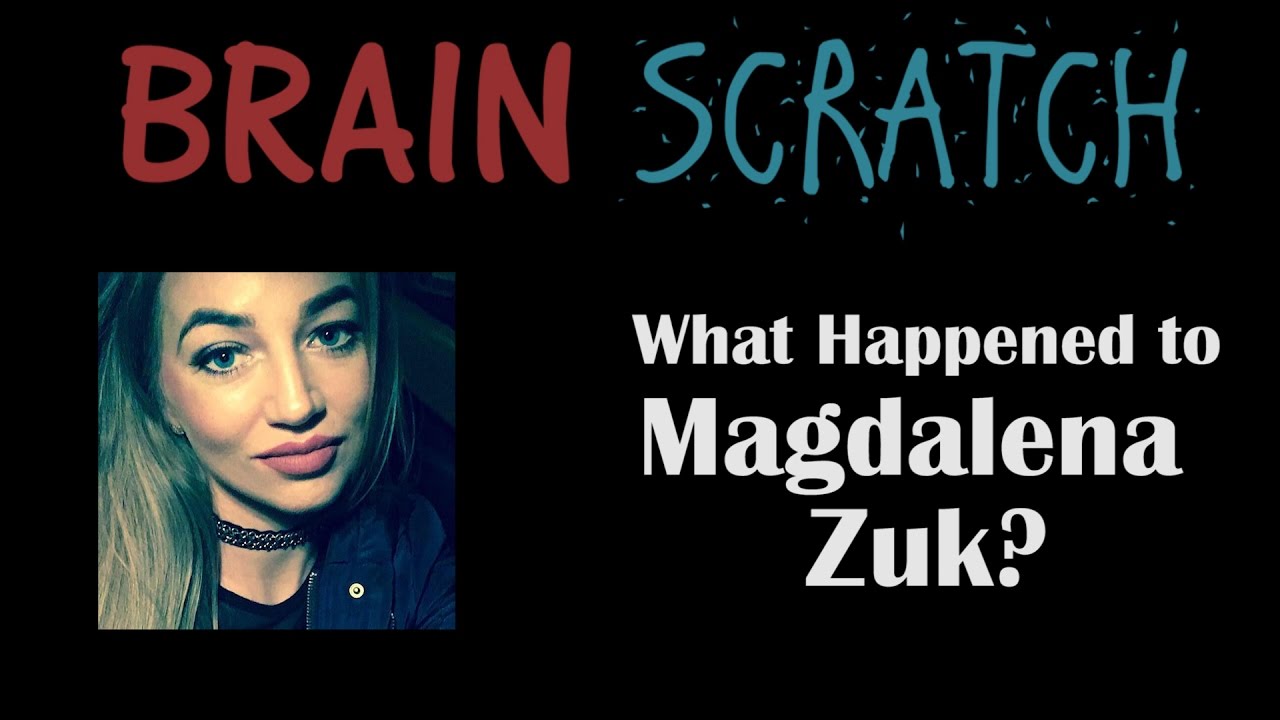
LordanARTS’ Magdalena Zuk Video: A 2017 Death in Egypt That Never Settled
In late April 2017, a 27-year-old Polish tourist arrived alone at a Red Sea resort in Marsa Alam, Egypt. Within days she was behaving in ways that alarmed hotel staff and her family back home. Days after that, she was dead — killed in a fall from a hospital window — and the argument over whether it was suicide or something far worse began immediately.
The case of Magdalena Zuk is one of those stories where almost every fact is agreed upon and almost nothing is. She booked the holiday with her boyfriend, then traveled alone when his passport expired. Hotel staff described her as upset and depressed. A travel agency representative sent her family photographs of her crouched in a bathrobe in a hotel room doorway. She was taken to the airport to cut the trip short — and refused boarding because her behavior was worrying enough that staff would not let her fly.
LordanARTS’ BrainScratch episode, published in May 2017 while the case was still unfolding, works through the primary materials piece by piece: the hotel footage, the hospital visits, the distressed video calls with her partner Markus, and the medical and autopsy findings. It weighs the suicide explanation offered by Egyptian authorities against the family’s suspicions of foul play, and refuses to treat either side as self-evident.
At a Glance
| Video | “BrainScratch: What Happened to Magdalena Zuk?” |
|---|---|
| Channel | LordanARTS |
| Published | May 12, 2017 |
| Length | ~35 minutes |
| Views | 149K+ |
| Subject | The 2017 death of Polish tourist Magdalena Zuk in Egypt; suicide ruling vs. foul-play theories |
What the Video Covers
The video builds the case chronologically. It starts with the trip itself: Zuk’s arrival in Marsa Alam on April 25, 2017, the onset of strange behavior at her hotel, and the first hospital visit. Then comes the sequence that made the case infamous — the attempt to fly her home, the video calls in which she appears extremely distressed and asks to leave Egypt, and the return to Port Ghalib Hospital, where, in unclear circumstances, she fell from a window and sustained fatal injuries. She died on April 30, 2017.
The middle section is where the documentary earns its keep. LordanARTS analyzes the video call footage frame by frame — her demeanor, what she says and what she seems unable to say — and walks through the second hospital visit and the final struggle in the room she fell from. The closing chapter turns to the medical and autopsy findings: the Egyptian investigation concluded she died from the fall, ruled it a suicide stemming from unstable mental health, and found no evidence of sexual assault or murder. A Polish autopsy was also conducted, though its results were not released in detail.
Throughout, the video keeps the two competing narratives in frame. Egyptian authorities and the hospital maintained she suffered a mental breakdown. Her family, and much of the Polish press, suspected something was done to her — theories ranging from assault to trafficking that were never substantiated. The documentary’s value is in how it handles that gap: it treats the footage and the records as the only reliable witnesses, and tests each claim against them.
Strengths
Primary sources do the talking. Rather than narrating the case secondhand, the video works from the actual materials — the hotel footage, the video calls, the hospital records as reported in Polish and English press — and shows them to the viewer. You form your own read of Zuk’s distress before LordanARTS offers his.
The controversy is handled with restraint. A case this contested can easily become a conspiracy delivery system. Here, the unproven theories — assault, trafficking, murder — are named as what they are: claims without supporting evidence, per the Egyptian autopsy findings. The video is skeptical in both directions, which is the only honest posture for this case.
A lesser-known case, genuinely international. Most English-language true crime coverage of this era was relentlessly American. This is a Polish woman, an Egyptian resort, a partner back home watching over a video call — a case that crossed borders and language barriers, and the video respects that complexity instead of flattening it.
Weaknesses
It is frozen in 2017. Published less than two weeks after Zuk’s death, the video can only assess the evidence available at the time. Viewers should know that later reporting and the family’s continued push for answers exist beyond its runtime — this is a snapshot of the case as it looked in its rawest weeks, not the final word.
Thin on the family’s side of the story. The documentary is stronger on the official record and the footage than on the family’s perspective and the Polish investigation that followed. Their doubts are summarized more than they are explored.
The footage is genuinely upsetting. This is not a weakness of craft, but it bears repeating: watching a woman in visible distress, recorded by people who did not know how to help her, is hard viewing. The video warns you, but the material is what it is.
Who Should Watch
- International-case fans — a rare English-language deep dive on a Polish-Egyptian case with real primary footage.
- Evidence-over-narrative viewers — the video tests claims against footage and records rather than vibes.
- BrainScratch series followers — this is the format at its most methodical, working one source at a time.
- Viewers interested in contested rulings — a clear-eyed look at how suicide findings and family suspicions collide.
8/10
A disciplined, source-driven documentary on a case that invites anything but discipline. The footage analysis is sharp, the restraint toward unproven theories is admirable, and the international scope makes it stand out. Dated by its 2017 publish, but that same timing gives it a raw, primary-source honesty.
Source: LordanARTS on YouTube (“BrainScratch: What Happened to Magdalena Zuk?”, published May 12, 2017); case background via Al-Ahram Weekly, BBC, and Crime+Investigation reporting on the April 2017 death of Magdalena Zuk.