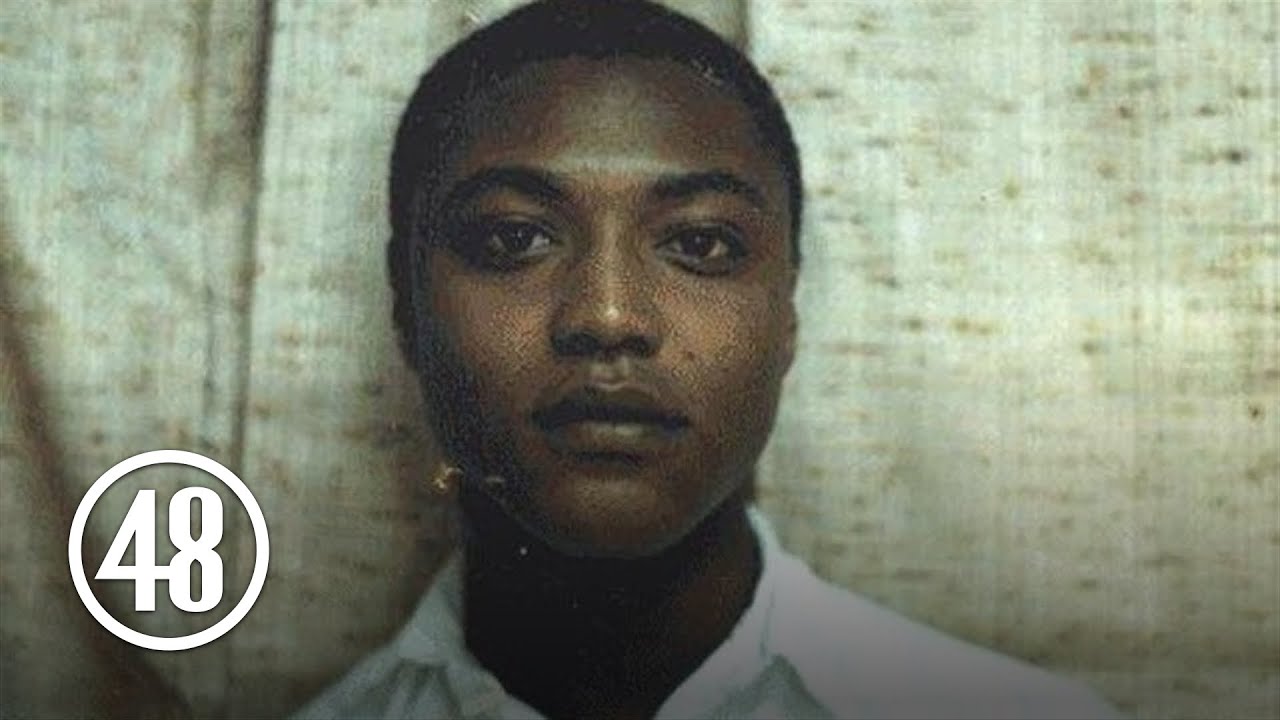
Watch the video on YouTube: Grave Injustice | Full Episode — 48 Hours
48 Hours' Grave Injustice Video: The Death Row Case Built on One Man's Word
In August 1992, six people were killed in a home in Somerville, Texas, and the house was set on fire. Anthony Graves was convicted of those murders and sentenced to death. He spent 18 years in prison, 12 of them on death row, before walking free in October 2010 — an innocent man, cleared after students helped expose how the case against him was built.
Most true crime episodes ask who committed a crime. This one asks a harder question: how did the system convict a man when, as a later special prosecutor would conclude, there was no credible evidence against him? Correspondent Richard Schlesinger reports the episode, which was originally broadcast on April 23, 2011, and updated on March 17, 2012, and 48 Hours published it on YouTube on February 4, 2025.
The video has drawn more than 1.5 million views on YouTube. Its staying power is not a twist in the underlying murders — the man who committed them was identified early — but in the documented record of what happened afterwards: a recanting witness, evidence the defense never saw, and a group of University of St. Thomas journalism students who spent years working through the file.
At a Glance
| Video | “Grave Injustice | Full Episode” |
|---|---|
| Channel | 48 Hours |
| Published | February 4, 2025 |
| Length | ~42 minutes |
| Views | 1,552,482 |
| Subject | The wrongful conviction of Anthony Graves in Texas; his exoneration and release in 2010 |
What the Video Covers
The video opens on August 18, 1992, in Somerville, Texas. Bobbie Davis, her 16-year-old daughter and her four grandchildren were killed in their home, which was then set on fire. Investigators quickly focused on Robert Carter, the father of the youngest victim. Carter admitted being at the scene and named Anthony Graves — his wife's cousin — as the man who committed the murders.
That accusation was almost the whole case. As the episode lays out, there was no physical evidence linking Graves to the crime, and Carter recanted — first days after his arrest, repeatedly afterwards, and again before his execution in 2000, when he said he had acted alone and that Graves had nothing to do with it. None of that stopped the prosecution. Graves was convicted in 1994 of six counts of capital murder and sentenced to death, becoming Inmate #999127. The episode gives real weight to what the jury never heard: that Carter had told prosecutors Graves was not involved, a fact the Fifth Circuit later found had been withheld from the defense, along with false testimony presented at trial.
The second half follows the work that undid the conviction. Attorney and journalism professor Nicole Casarez and her University of St. Thomas students investigated the case for years. In 2006 the U.S. Court of Appeals for the Fifth Circuit overturned the conviction. When the case was re-examined, special prosecutor Kelly Siegler found no credible evidence of Graves's involvement, the charges were dropped, and Graves was released on October 27, 2010. The episode closes with the fight that followed — over the $1.4 million in compensation Texas owed him, held up for months by a paperwork dispute before the legislature acted — and with Graves beginning a life as an advocate for criminal justice reform.
Strengths
It keeps two tragedies in frame at once. The episode never treats the six murders as a backdrop. The victims' family appears throughout, and the reporting is clear that an innocent man going to death row did not bring them justice either — it compounded a loss with a second failure.
The misconduct is documented, not just alleged. The episode's strongest material is specific: Carter's repeated recantations, the statements not disclosed to the defense, and the pressure described around an alibi witness. Viewers can follow exactly which failures the appeals court later ruled on, rather than being asked to take innocence on faith.
The students' role is shown as work, not a miracle. Casarez and her students are not presented as rescuers arriving at the last minute. The episode shows years of reading records and re-interviewing — a useful corrective to the idea that wrongful convictions correct themselves.
Weaknesses
It is a 2011 episode, updated in 2012 — and it stops there. Later developments fall outside its frame, most notably former prosecutor Charles Sebesta's disbarment in 2015 for withholding evidence and presenting false testimony in this case. Viewers who stop at the credits miss the accountability chapter.
The legal process is compressed. Four years between the 2006 ruling overturning the conviction and Graves's 2010 release pass quickly. Why an exoneration on paper took that long to become freedom in practice deserves more time than the episode gives it.
Carter's interrogation gets less scrutiny than the trial. The episode notes that Carter implicated Graves after extended questioning, but spends less time on how that first accusation was obtained than on what prosecutors did with it afterwards — and both halves matter to how the case went wrong.
Who Should Watch
- Wrongful-conviction viewers — a complete arc from accusation to death row to exoneration, with the appellate record on screen.
- 48 Hours regulars — a classic Schlesinger report, distinct from the channel's usual whodunit structure.
- Journalism and law students — a concrete case study in what sustained record-checking and disclosure rules are for.
- Death penalty researchers — Graves faced two execution dates; the episode documents how close the system came.
8/10
A clear, well-documented account of a wrongful capital conviction — specific about the evidence that was withheld, respectful to the victims' family, and grounded in the court record. Dated only by what happened after its 2012 update.
Source: 48 Hours on YouTube (“Grave Injustice | Full Episode,” published February 4, 2025; originally broadcast April 23, 2011, updated March 17, 2012); case background via CBS News, the Innocence Project, the American Bar Association and the Fifth Circuit ruling overturning the conviction.