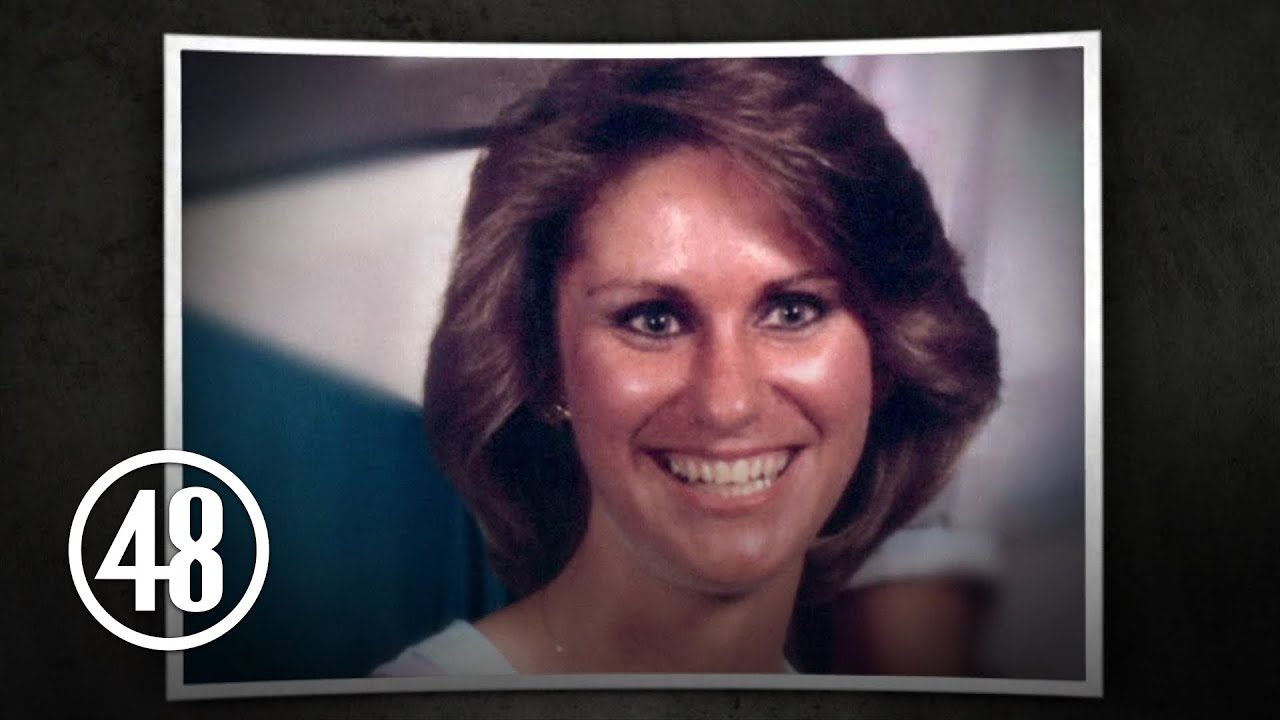
Watch the video on YouTube: The "Unsolvable" Murder of Roxanne Wood | Full Episode — 48 Hours
48 Hours on Roxanne Wood: The Cold Case Solved by a Few Cells of DNA
On the night of February 19, 1987, Roxanne Wood, 30, came home alone to Niles, Michigan, after an evening out with her husband, Terry. He arrived about 45 minutes later and found her killed in their kitchen. There was DNA at the scene, but for more than 30 years there was no name to attach to it. 48 Hours' episode, first aired in November 2022 and published on YouTube in August 2023, follows how that changed.
48 Hours, with about 2.56 million subscribers on YouTube, is at its best on cases like this one: a long investigation with a documented turning point, told through the family, the detectives and the specialists who reopened it. This episode has drawn more than 4.5 million views, and its subject explains the reach — it is not only a whodunit, but a case study in what genetic genealogy can do with evidence earlier technology could not use.
The episode is also careful about the cost of the unsolved years. Terry Wood was treated as a suspect, and the reporting — echoed in Western Michigan University's Cold Case Program account of the case — describes how that suspicion devastated the family before a DNA profile finally cleared him. The killer, when he was identified, was a stranger living nearby at the time.
At a Glance
| Video | “The "Unsolvable" Murder of Roxanne Wood | Full Episode” |
|---|---|
| Channel | 48 Hours |
| Published | August 18, 2023 |
| Length | ~41 minutes |
| Views | 4,540,696 |
| Subject | The 1987 murder of Roxanne Wood in Niles, Michigan; the genetic-genealogy investigation that identified Patrick Gilham |
What the Video Covers
The episode opens with the night of the murder and the long cold case. Roxanne and Terry Wood had been out for dinner and bowling and returned home in separate cars; she arrived first, and he found her about 45 minutes later. Investigators collected DNA evidence, but the sample was badly degraded, searches of the CODIS database produced no match, and, as Michigan State Police later summarised, the case was left to wait for better technology. Roxanne's family — including her sister Janet and brother Brad, who appear in the episode — lived with both the loss and the unanswered questions.
The middle section follows the reopening in 2020. Michigan State Police submitted the degraded sample to Identifinders International, run by Dr. Colleen Fitzpatrick, where investigative genetic genealogist Gabriella Vargas built a usable profile from an exceptionally small amount of DNA — described in reporting on the case as about 3 percent of what is typically needed, a record low at the time. Students in Western Michigan University's Cold Case Program spent months digitising the case files, work the university says ran to more than 1,200 hours. The genealogy search led to a family with three brothers, and background checks narrowed the focus to one: Patrick Wayne Gilham, who had been living near Niles at the time of the murder and had a prior conviction for a similar attack in 1980.
The final section covers the cigarette, the arrest and the plea. Undercover officers surveilled Gilham and collected a cigarette butt he discarded; testing matched its DNA to the crime-scene sample. He was arrested in February 2022, and the following month he pleaded no contest to second-degree murder and received a sentence with a minimum of 23 years in prison. The episode ends where the identification left the family: with an answer after 35 years, and with Terry Wood finally cleared by the same evidence that had once been too degraded to read.
Strengths
The science is explained, not just invoked. The episode shows, step by step, how a profile was coaxed from a few cells, how a family tree was built back to ancestors in the early 1800s and forward to three brothers, and why a discarded cigarette was still needed to confirm the match. Viewers come away understanding genetic genealogy rather than simply hearing that it worked.
The husband's story is handled with care. Terry Wood found his wife, was investigated as a suspect, and lived under that cloud for decades. The episode gives that harm its due weight, and his eventual clearing by DNA is presented as part of the resolution — not a footnote to the killer's arrest.
The family and the students get real time. Roxanne — “Rock” to her family — is presented as a person, not a case file, and the Western Michigan University students whose digitising work supported the reopened investigation are credited on screen. That breadth makes the resolution feel earned rather than abrupt.
Weaknesses
It is a single broadcast telling, at broadcast pace. In 41 minutes the episode necessarily compresses a 35-year investigation. Viewers who want the fuller record — the university Cold Case Program's account, Michigan State Police statements, and court reporting on the plea and sentencing — will find material the running time could not hold.
The “unsolvable” framing can mislead if taken literally. As the episode itself shows, the case was not unsolvable in principle; it was waiting on a sample that was too degraded for the methods of its era and a database the killer was never in. The distinction matters for other cold cases: preserved evidence, not luck, is what kept this one alive.
Some details vary between accounts. Contemporary sources differ on small points — for example the exact arrest date in February 2022 and the spelling of names in transcripts — and the episode does not pause to reconcile them. Anyone citing specifics should check them against Michigan State Police or court reporting rather than a transcript alone.
Who Should Watch
- Cold-case and DNA followers — a landmark genetic-genealogy solve built from a record-low amount of degraded DNA, explained clearly.
- 48 Hours regulars — a Peter Van Sant report in the programme's classic form: family, detectives and specialists around one contained case.
- Wrongly-suspected and exoneration viewers — a clear account of what decades of suspicion did to Terry Wood, and how DNA ended it.
- True crime newcomers — a self-contained, fully resolved case with a beginning, a method and a court outcome, in a single episode.
8/10
A strong, humane cold-case episode — the genealogy is explained rather than waved at, Roxanne Wood and her family stay at the centre, and Terry Wood's clearing is treated as part of the story. It compresses 35 years into 41 minutes, so the written record adds depth, but as a single telling of a landmark solve it is hard to fault.
Source: 48 Hours on YouTube (“The "Unsolvable" Murder of Roxanne Wood | Full Episode,” published August 18, 2023; episode first aired November 12, 2022, reported by Peter Van Sant); case background via Western Michigan University's Cold Case Program, Michigan State Police reporting via contemporary news coverage, and reporting on Patrick Gilham's 2022 plea and sentencing.