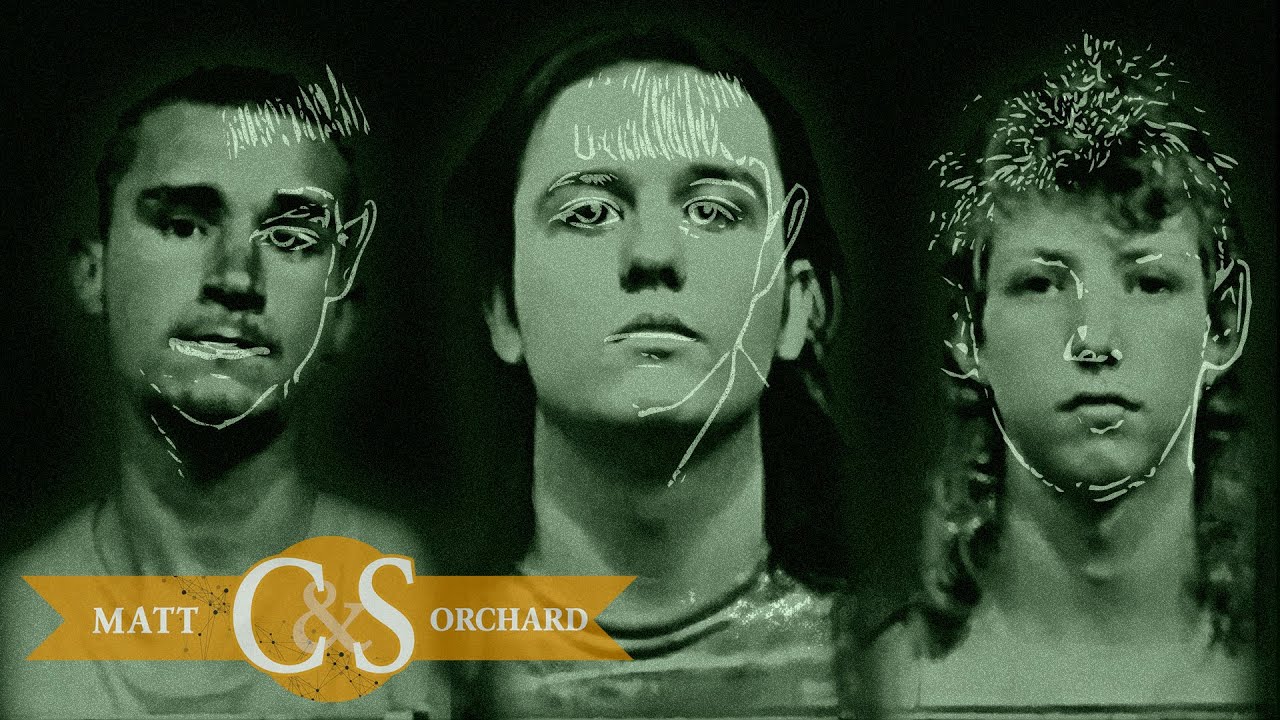
Watch the video: The Tale of The West Memphis Three — Matt Orchard - Crime and Society on YouTube
Matt Orchard's West Memphis Three Video: A Controversial Case, Told at Full Length
In May 1993, three eight-year-old boys were killed in West Memphis, Arkansas. Three local teenagers were convicted of the crime the following year. Almost two decades later, those convictions ended in a negotiated plea that freed all three men while leaving the convictions formally in place — an outcome that satisfied almost no one.
Matt Orchard - Crime and Society, a channel with 299K subscribers, takes the long view here. Published on December 7, 2023, this 79-minute documentary has drawn 811,074 views, and it earns that runtime: this is a case where the investigation, the trials, the appeals, and the public campaign around them are all part of the same story.
The video is unusually transparent about its own research. Its description lists sources from across the divide — trial records, supporter and non-supporter accounts, and earlier documentaries — and it warns viewers upfront that any single telling of this case will be accused of leaving something out. That honesty frames how the next eighty minutes should be watched.
At a Glance
| Video | “The Tale of The West Memphis Three” |
|---|---|
| Channel | Matt Orchard - Crime and Society |
| Published | December 7, 2023 |
| Length | 1 hour 19 minutes |
| Views | 811,074 |
| Subject | The 1993 West Memphis killings; the convictions of Damien Echols, Jason Baldwin, and Jessie Misskelley, and their 2011 release |
What the Video Covers
The video begins with the 1993 crime and the three victims — Stevie Branch, Michael Moore, and Christopher Byers — before following the investigation's turn toward three local teenagers: Damien Echols, Jason Baldwin, and Jessie Misskelley.
From there it traces, in broad terms, the path the case is now known for: convictions in 1994, years of appeals and growing public scrutiny, later forensic testing, and the 2011 Alford plea arrangement under which the three men were released after roughly eighteen years in prison while maintaining their innocence.
Throughout, the video keeps two questions separate that retellings often blur: what the legal system formally decided, and what the surviving evidence can actually support. Holding that distinction is what gives the documentary its structure.
Strengths
Sources are shown, not hidden. The video draws on material from both sides of a divided case and names it. Viewers who want to check a claim, or read the opposing account, are given a genuine starting point rather than a bibliography in name only.
The length fits the case. A story spanning an investigation, two trials, and eighteen years of appeals cannot be told responsibly in twenty minutes. At feature length, the documentary can follow the legal trajectory instead of reducing it to a verdict and a twist.
It acknowledges the controversy directly. Rather than presenting itself as the final word, the video is open about the strong feelings on every side — a more trustworthy posture for a case that remains contested decades later.
Weaknesses
No single video can close this case. By the creator's own framing, some viewers will find a favourite argument missing or underweighted. That is partly the subject's nature, but newcomers should treat this as one well-sourced telling, not the whole record.
It assumes stamina. The feature-length runtime and the density of names, hearings, and legal turns reward attention; viewers looking for a brief introduction to the case may want a shorter overview first.
Earlier documentaries carry part of the visual load. Footage from the well-known films about the case appears as source material, so some scenes will feel familiar to viewers who have already seen them.
Who Should Watch
- Wrongful-conviction and appeals viewers — the legal trajectory, from conviction to Alford plea, is the spine of the video.
- Long-form documentary fans — a single case given feature length, with its sources on the table.
- Viewers new to the case who want depth — a fuller starting point than a summary, with reading paths for both sides.
- Students of the satanic-panic era — the case remains a central example of how cultural fear can shape an investigation.
8/10
A careful, feature-length telling of one of America's most contested cases — transparent about its sources, honest about its limits, and long enough to follow the law as well as the crime. The victims and the unresolved questions both stay in view.
Source: Matt Orchard - Crime and Society on YouTube (“The Tale of The West Memphis Three,” published December 7, 2023); case background via the video's listed sources and contemporary reporting on the West Memphis case.