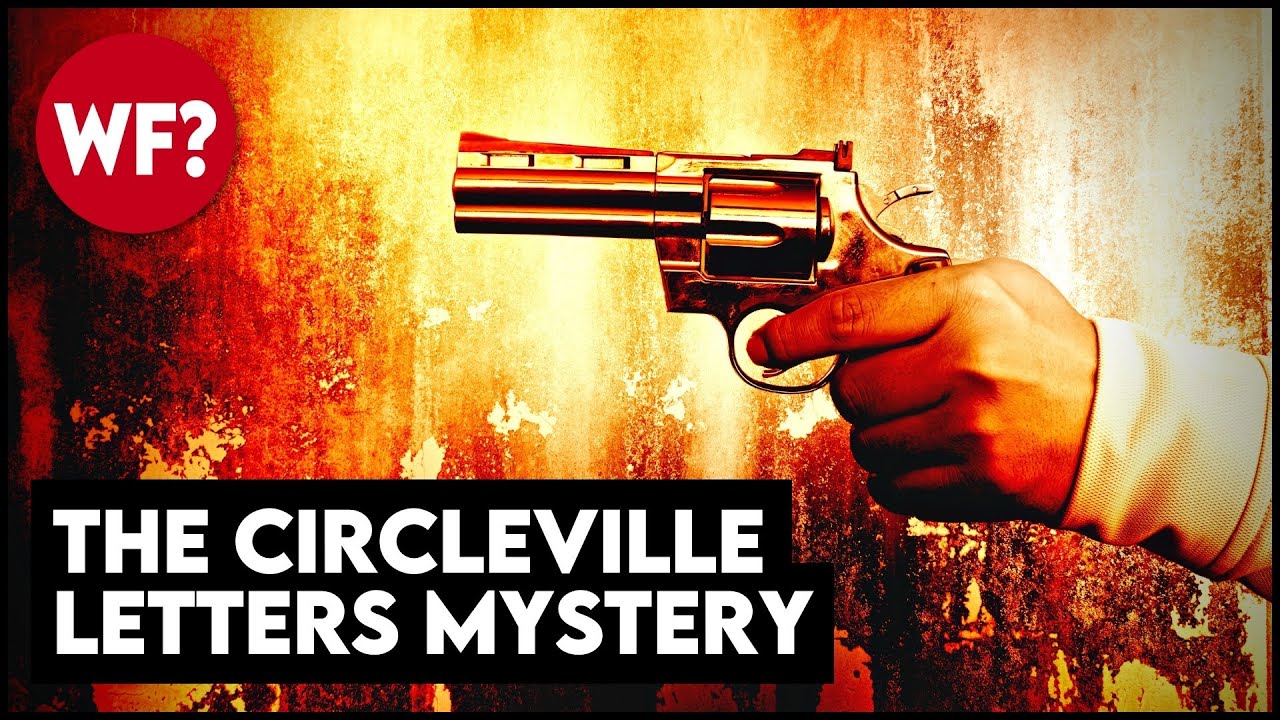
The Why Files’ Circleville Letters Video: The Poison-Pen Mystery Nobody Could Stop
In the late 1970s, the residents of Circleville, Ohio, started receiving anonymous letters written in blocky capitals — letters that knew their secrets. The Why Files’ 22-minute episode traces a campaign of more than a thousand threatening letters over nearly twenty years, the suspicious death of a husband who tried to confront the writer, and a conviction that never ended the letters.
This is The Why Files doing what it does best: taking a genuinely strange unsolved case and laying out the timeline with a skeptic’s discipline. Host AJ Gentile walks through the letters, the 1977 death of Ron Gillespie, and the 1983 booby-trap conviction of Paul Freshour — then keeps asking the question the case itself never answered: if the man in prison was the writer, why did the letters keep coming?
The episode, published in June 2022, has drawn more than 2.1 million views — a sign of how the case hooks people. It is not an interrogation breakdown or a murder case file; it is a mystery about power, surveillance, and a small town that turned on itself. Few true crime videos make the unknown this compelling.
At a Glance
| Video | “The Circleville Letters Mystery | Why can't we solve this?” |
|---|---|
| Channel | The Why Files |
| Published | June 30, 2022 |
| Length | ~22 minutes |
| Views | 2.1M+ |
| Subject | The anonymous Circleville letters; the writer the evidence can’t quite name |
What the Video Covers
The episode opens in Circleville, Ohio, in the late 1970s — a town of about 12,000 people. The first letters target school bus driver Mary Gillespie, written in blocky capitals and postmarked from Columbus. They accuse her of an affair with the school superintendent, Gordon Massie, and threaten her children if she does not acknowledge it. Soon the letters spread to other residents, each one demonstrating that the writer somehow knew intimate details of people’s lives.
Then comes August 1977. Mary’s husband Ron receives a phone call from someone claiming to know the letter writer’s identity. He grabs his gun and storms out. Hours later he is dead in a single-vehicle crash — and his gun has been fired once, with no clear explanation. Authorities rule it an alcohol-related accident, a finding the family disputes. The video treats this section carefully: it lays out what is documented, what is contested, and where the record simply goes quiet.
The back half follows the case to its supposed resolution — and past it. In February 1983, Mary finds a sign posted along her bus route rigged to a box containing a pistol: a booby trap. The weapon is traced to Paul Freshour, her brother-in-law. He is convicted of attempted murder that October and sentenced to 7 to 25 years. But the letters keep arriving while he is behind bars — even during periods in solitary confinement. The video’s closing stretch is its strongest: it weighs the evidence against Freshour against the letters’ stubborn persistence, and leaves the viewer with the case’s central, unanswered question.
Strengths
The skepticism is the point. The Why Files’ house style — present every theory, then stress-test it — is exactly what this case needs. The video refuses to let the Freshour conviction stand in for a solution, and it is honest about which details come from solid records and which come from retellings that have shifted over the decades.
A case that rewards structure. The Circleville story sprawls across nearly twenty years, and the episode’s tight timeline keeps it legible: the letters, the death, the trap, the trial, the letters again. For a case this tangled, the 22-minute runtime is a feature — nothing overstays, and each beat earns its place.
Respect for the people involved. This could easily have been a lurid small-town-gossip retelling. Instead the video keeps the focus on what the harassment cost real people — a family that lost a husband and father under circumstances still in dispute, and a man who served ten years maintaining his innocence.
Weaknesses
Less primary sourcing than the best episodes. The Why Files is at its strongest when it can lean on documents and named investigators; here, much of the retelling rests on the well-worn published accounts of the case. Viewers who want the deepest primary-source dive may find it lighter than the channel’s very best work.
Theories get more airtime than closure. That is arguably the honest choice for an unsolved case, but the episode’s back half spends a lot of time on possibilities the evidence can’t settle. If you need a resolution, this case — and this video — will not give you one.
The UFO-adjacent brand may put some viewers off. The Why Files built its audience on mysteries and fringe topics, and the packaging here is the same. The content is measured and grounded, but viewers who only know the channel’s reputation may not give it the chance it deserves.
Who Should Watch
- Unsolved-mystery devotees — this is one of the great American poison-pen cases, and it is told with real care.
- The Why Files regulars — a classic episode in the channel’s catalog, and a good entry point if you’ve never watched.
- True crime skeptics — the video’s best moments are the ones where it refuses to accept the official version.
- Small-town-mystery fans — the community dynamics here are as fascinating as the letters themselves.
8/10
A tight, skeptical telling of one of true crime’s great unsolved mysteries. The timeline is clean, the open questions are handled honestly, and the case’s central paradox — the letters that outlived the conviction — lands hard. Docked a little for leaning on familiar published accounts rather than fresh digging.
Source: The Why Files on YouTube (“The Circleville Letters Mystery | Why can't we solve this?,” published June 30, 2022); case background via Gizmodo’s 2015 account of the Circleville case, contemporary reporting on the Gillespie and Freshour cases, and the Unsolved Mysteries 1994 segment.