Content note: this video discusses the Watts family murders, including the killing of two young children and a pregnant woman. No graphic imagery is shown.
The Chris Watts Case That Launched a True Crime Empire
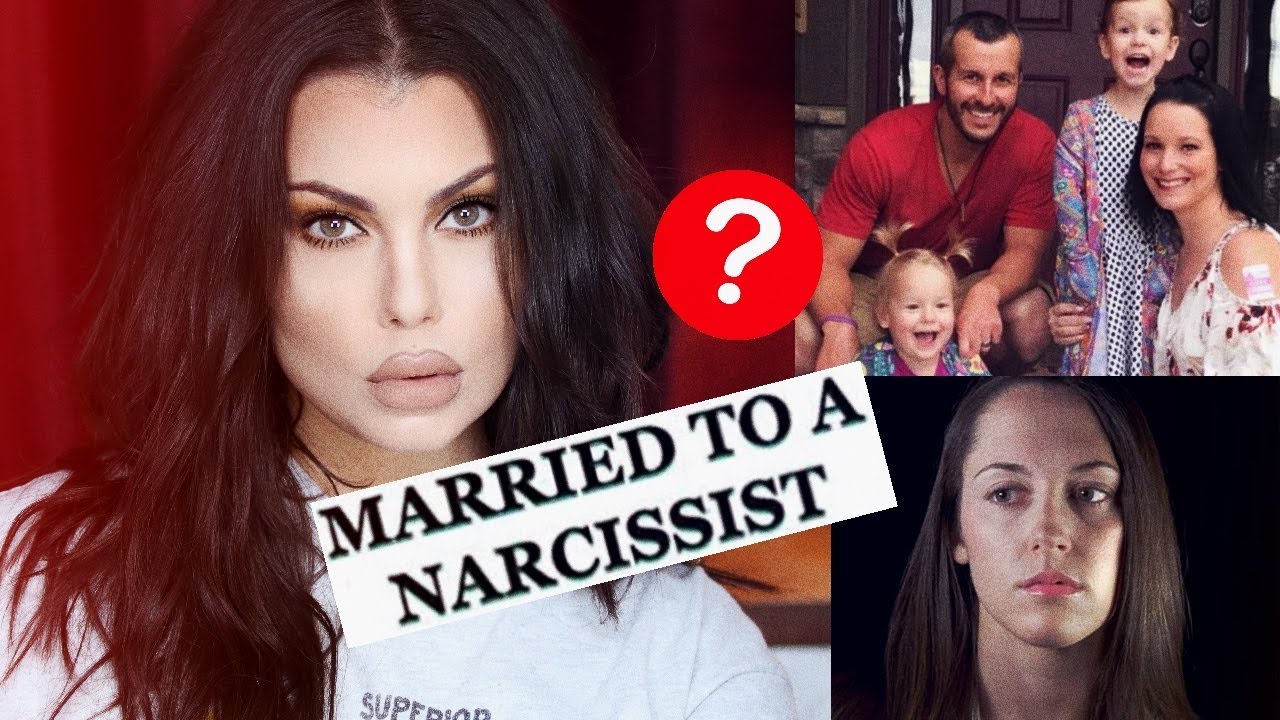
The video that invented “true crime makeup” is also one of YouTube’s most-watched primers on the Watts family murders. Bailey Sarian’s series premiere digs through 2,000 pages of discovery documents — here is our review of the episode that started it all, and whether it still holds up.
In August 2018, Chris Watts murdered his pregnant wife Shanann and their two young daughters, Bella and CeCe, in their Frederick, Colorado home — then tried to play the worried husband on live television. By that November, Weld County prosecutors had released roughly 2,000 pages of discovery: text messages, phone records, interview transcripts, and interrogation footage that laid the case bare.
Two months later, a 30-year-old professional makeup artist sat down in front of her camera, picked up her brushes, and talked through every layer of it. “Chris Watts – 2000 Page Discovery” was the first episode of Murder, Mystery & Makeup — the video that turned Bailey Sarian from a beauty YouTuber into the founder of an entire genre. It has been watched millions of times since.
This is our review.
At a Glance
| Video | “Chris Watts – 2000 Page Discovery Murder, Mystery & Makeup | Bailey Sarian” |
|---|---|
| Channel | Bailey Sarian (7.95M subscribers) |
| Published | January 2019 |
| Length | ~27 minutes |
| Views | 8M+ views |
| Subject | The Watts family murders; a discovery-document deep dive into a family annihilator case |
What the Video Covers
The spine of the episode is the 2,000-page discovery release — the evidence dump that followed Watts’s guilty plea. Sarian works through the documents the way a book club works through a novel: the text messages between Chris and his mistress Nichol Kessinger, the interrogation transcripts, the phone records, and the small domestic details that made the case so unsettling.
Around the documents, she lays out the case itself. Who the Watts were: a seemingly picture-perfect family — Shanann, pregnant with their third child, documenting their life on social media; four-year-old Bella; three-year-old CeCe. The timeline of August 13, 2018: Shanann returning from a business trip in the early hours, and Chris killing all three of them before dawn. The bizarre televised interviews where he pleaded for their return. The neighbor’s security camera footage that contradicted his story. The failed polygraph, the confession to his own father, and the grim recovery of the bodies at his work site — Shanann in a shallow grave, the girls in oil tanks.
It is a talking-head video with a twist: the talking head is also doing a full face of makeup. The “get ready with me” format is not a gimmick layered on top — it is the whole point. Sarian processes the documents out loud, like a friend catching you up on a story she cannot stop thinking about.
Strengths
The research is the star. This was the channel’s first true crime episode, and it is already built on primary documents rather than secondhand retellings. The discovery material — Kessinger’s interview, the text exchanges, the interrogation notes — gives the episode a density that recap-style videos never reach.
The format makes dense material digestible. Two thousand pages of legal documents should be a slog. Delivered conversationally, one brushstroke at a time, it plays like a story told by the most well-read friend you have. Sarian’s instinct for which details to linger on — the small, human ones — is what made this format explode.
It keeps the victims centered. Watts is never treated as a fascinating antihero. The episode returns, again and again, to Shanann, Bella, and CeCe — who they were, not just what happened to them. For a case this lurid, that restraint matters.
Weaknesses
It is a first episode, and it shows. Sarian herself apologizes in the description for it being “a bit sloppy,” and she is not wrong: the pacing meanders, the structure is loose, and the production is a single static camera in a bedroom. Later episodes are far more polished.
The makeup framing is not for everyone. Watching someone apply highlighter while discussing murdered children is the entire premise of the genre, but first-time viewers should know what they are walking into. The tonal contrast is deliberate — it just is not universally comfortable.
Some details have aged. Recorded in early 2019 from the first discovery release, the episode predates later reporting and analysis of the case. It is a time capsule of what was known then, not the last word.
Who Should Watch
- Watts case followers — the discovery-document walkthrough is still one of the most accessible on YouTube.
- Murder, Mystery & Makeup fans — this is episode one; the origin story of the whole series.
- True crime newcomers — a gentler on-ramp to a heavy case than interrogation footage or courtroom video.
- Genre-curious skeptics — if “true crime makeup” sounds absurd, this is the video that explains why it works.
8/10
The episode that launched a genre — rough around the edges, but the research is real and the format is weirdly perfect for the material. Watch it for the discovery deep-dive; stay for the series it started.
Source: Bailey Sarian on YouTube; viewership figures via Preview.ph and The List; case details via Associated Press and Denver Post reporting on the Watts investigation, guilty plea, and sentencing (2018).