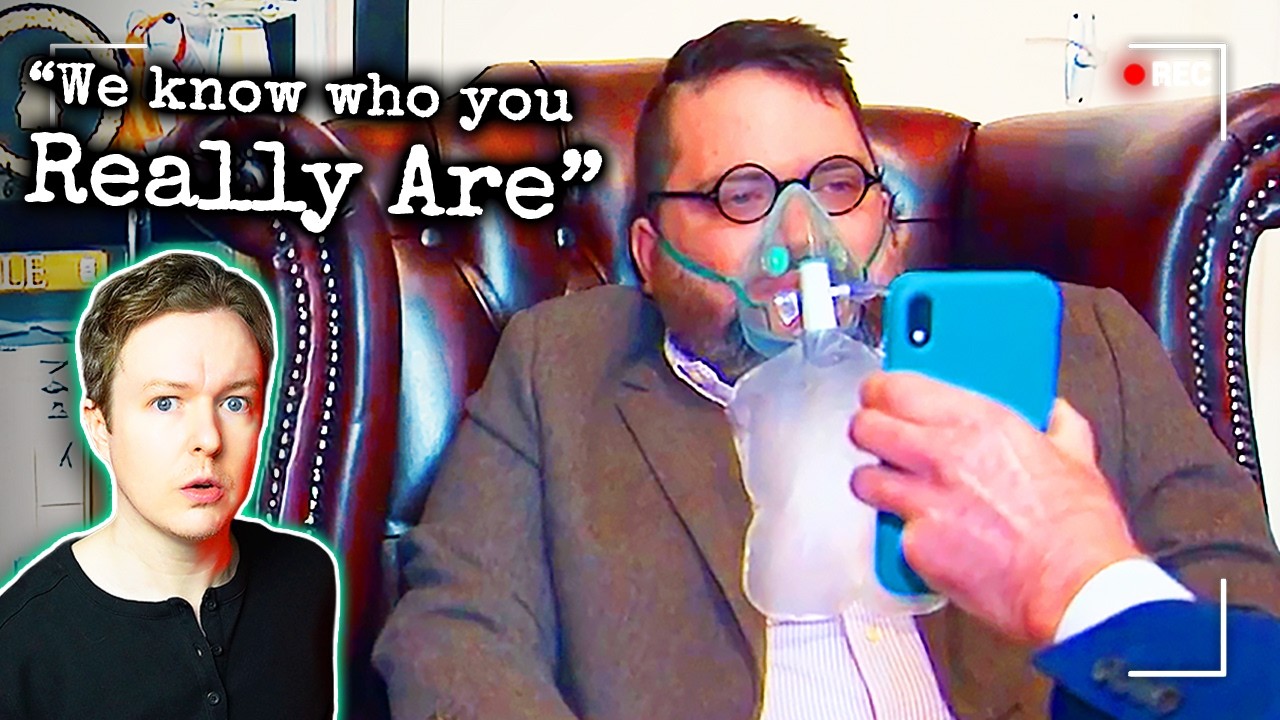
Watch the video on YouTube: The Case of Nicholas Rossi — That Chapter
That Chapter on Nicholas Rossi: The Man Who Faked His Own Death
In February 2020, an obituary announced that Nicholas Alahverdian, a Rhode Island foster-care reform advocate, had died of non-Hodgkin lymphoma at 32. In December 2021, a man recovering from Covid in a Glasgow hospital was identified by his tattoos as the same man — alive, living under another name, and wanted in the United States. That Chapter's 51-minute video tells the story between those two announcements, and what happened after.
That Chapter, hosted by Mike Oh, has 2.29 million subscribers. This video, published on February 24, 2026, has drawn more than 1.1 million views. Because it was made after Rossi's Utah trials, it is not another unresolved fugitive story: it can follow the case from the first allegations through the extradition fight to convictions and sentencing.
The channel's own description lists the names at the centre of it — Nicholas Rossi, Nicholas Alahverdian, Arthur Knight — and frames the subject plainly: a man who, as investigators closed in, fled to Europe and faked his own death. The video's work is to test that framing against the documented record, name by name.
At a Glance
| Video | “The Case of Nicholas Rossi” |
|---|---|
| Channel | That Chapter |
| Published | February 24, 2026 |
| Length | ~51 minutes |
| Views | 1,126,492 |
| Subject | Nicholas Rossi / Nicholas Alahverdian; the 2020 faked death, the Arthur Knight identity claim, the Glasgow arrest and the Utah convictions |
What the Video Covers
The video opens in Glasgow, Scotland, with the hospital identification, then works backwards. Rossi grew up in Rhode Island foster care, worked as a State House page as a teenager, and became a vocal campaigner for foster-care reform, later suing the state over alleged abuse in care. The video presents that public role alongside the private record that was building at the same time.
The middle section follows the allegations and the flight. In 2008 in Ohio, Rossi was convicted of sexual imposition against a fellow student and was required to register as a sex offender. The video also covers fraud allegations and further assault complaints, and how DNA from backlogged rape kits later linked him to cases in Utah. As the video presents it, he left the United States in 2017, used tools to hide his location in Europe, announced a serious illness in late 2019, and was reported dead in February 2020 — a death no authority could confirm.
The final section follows the identity fight and the trials. Found in a Glasgow hospital in December 2021 while being treated for Covid, he insisted he was Arthur Knight, an Irish orphan who had never been to the United States, and contested extradition on that basis. A Scottish court ruled he was Nicholas Rossi, he was extradited to Utah in January 2024, and, as the video closes, he was convicted in two separate Utah trials in 2025 for rapes committed in 2008 and given consecutive terms of five years to life. Reporting by the Associated Press and CNN records the same outcome: the first sentence, imposed in October 2025, was five years to life, with a second Utah County case following.
Strengths
A complete arc, through sentencing. Many fugitive videos end at an arrest or an extradition hearing. Because this one was published in February 2026, it can weigh the Arthur Knight claim against what two Utah juries later decided, which makes the earlier identity dispute read differently — and more usefully — than it did in news coverage at the time.
The identity evidence is laid out clearly. The strongest material is not the aliases themselves but how they were tested: hospital staff recognising distinctive tattoos from an Interpol notice, and the Scottish proceedings that had to establish, as a matter of law, that Arthur Knight and Nicholas Rossi were the same person. The video keeps that sequence in order.
The advocacy background is context, not an excuse. Rossi's foster-care campaigning is a substantial part of his public life, and the video gives it real time without using it to soften the convictions that follow. Viewers get both records, in the order they developed.
Weaknesses
A lot of names, over 51 minutes. Aliases, jurisdictions and separate allegations accumulate quickly — Rhode Island, Ohio, Utah, Ireland, England and Scotland all feature. Viewers who do not keep the distinction between allegations, the Ohio conviction and the two Utah convictions in mind may come away with a blurrier picture than the evidence supports.
The identity charade gets repeated time. The wheelchair, oxygen mask and mistaken-identity hearings were extensively covered at the time, and the video revisits them at length. That material is central to the case, but it crowds the later trial coverage, which is comparatively compressed for the part that decided Rossi's fate.
Take the character reading as commentary. The video presents Rossi as a serial predator and fraudster — language the convictions and the sentencing judge's remarks go some way to support — but its broader psychological framing remains one channel's interpretation. The verdicts are the settled part; the motive and personality analysis is not.
Who Should Watch
- Fugitive and extradition followers — a faked death, a cross-border identity dispute and a Scottish extradition, followed through to a U.S. courtroom.
- That Chapter regulars — a longer, 51-minute entry with a resolved ending, rather than an open case.
- Viewers interested in forensic identification — tattoos, DNA from backlogged rape kits and a formal identity ruling are the mechanisms that ended the flight.
- True crime viewers new to the case — a single, self-contained account from the Rhode Island background to the Utah sentences.
8/10
A complete, clearly ordered account of an extraordinary identity case — the faked death and the Arthur Knight claim are striking, but the video earns its length by following them to extradition, two convictions and consecutive sentences. The trial section is compressed, and the aliases take concentration, but few fugitive videos close the story this fully.
Source: That Chapter on YouTube (“The Case of Nicholas Rossi,” published February 24, 2026); case background via Associated Press and CNN reporting on the 2025 Utah convictions and sentencing, and contemporary reporting on the 2021 Glasgow arrest and January 2024 extradition.