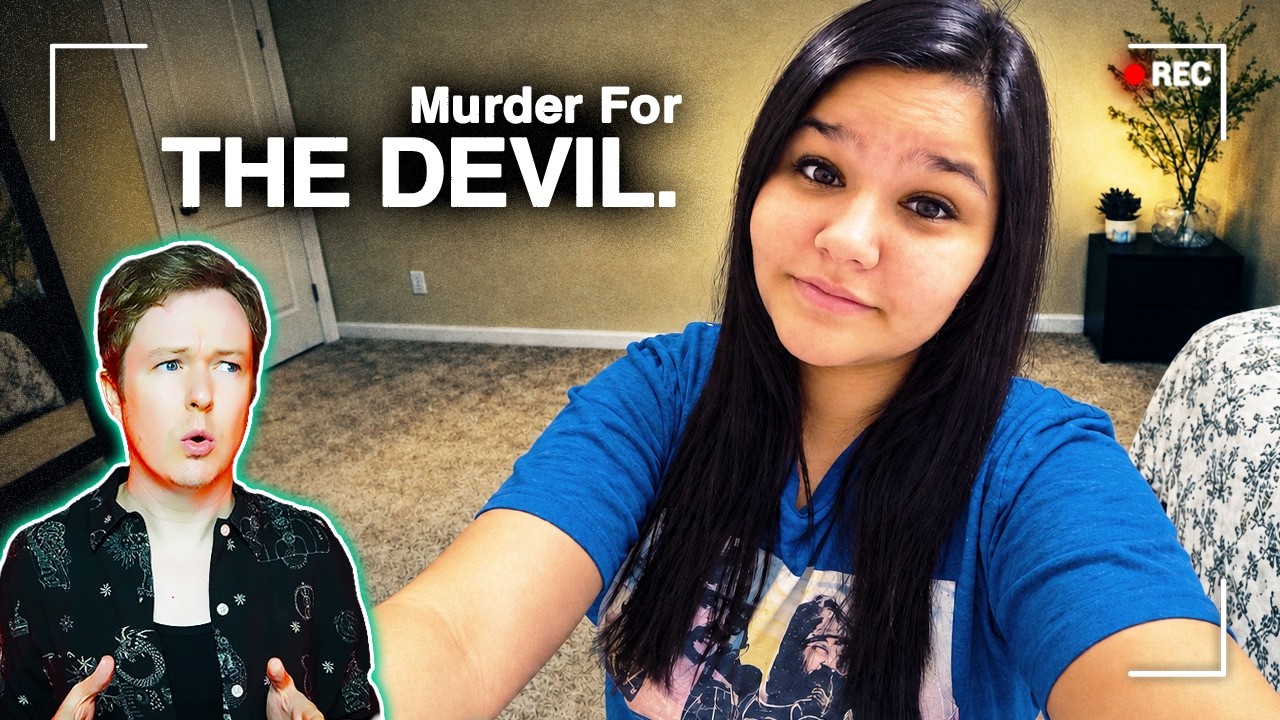
That Chapter's Corriann Cervantes Video: The 2014 Clear Lake Case, Told Straight
In February 2014, 15-year-old Corriann Cervantes left her father's home after an argument and never came back. Her body was found days later in a vacant apartment in the Clear Lake area of Houston. That Chapter's 31-minute documentary follows the investigation that led to two teenagers she knew — and the capital murder trials that followed.
That Chapter, hosted by Mike, is known for single-case documentaries told in a direct, conversational style. This entry stays with one case and one uncomfortable fact at its center: Corriann was not taken by a stranger. She spent her last evening with other teenagers, in familiar places, close to home.
The video, published on October 27, 2026, has drawn more than 569,000 views in its first three days. That reach reflects how completely this case has stayed in Houston's memory — veteran Harris County prosecutor John Jordan, who tried it, has called it one of the most brutal cases of his 25-year career.
At a Glance
| Video | “The Horrifying Case of Corriann Cervantes” |
|---|---|
| Channel | That Chapter |
| Published | October 27, 2026 |
| Length | ~31 minutes |
| Views | 569,743 |
| Subject | The 2014 murder of Corriann Cervantes in Clear Lake, Texas; the investigation and the capital murder convictions of Jose Reyes and Victor Alas |
What the Video Covers
The video opens on February 4, 2014, in the Clear Lake area of Houston, Texas. Corriann skipped school that day; when her father found out, he grounded her and told her to stay in her room. When he went out to buy groceries, she left and met up with friends. The Texas appellate record describes an afternoon and evening spent moving between parking lots and a neighbor's apartment with a group of teenagers, drinking and smoking marijuana along the way.
Among that group were Jose Reyes, 17, and Victor Alas, 16, who went to the same alternative school as Corriann. The three ended up in a vacant apartment in the complex, where Corriann was sexually assaulted and killed. Prosecutors told jurors that Reyes had framed the killing as a ritual — he claimed he had sold his soul, and that Alas wanted to do the same. Symbols connected to that claim were found at the scene and, later, in Reyes's home. Her body was discovered in the apartment days later.
The case broke open because Reyes talked. His sister testified about what he had told her, and the mother of his child overheard him name Corriann and reported it to a police officer she knew. At trial, DNA evidence also linked him to the scene. Reyes was convicted of capital murder in December 2014, after a jury deliberated for little more than an hour; Alas was convicted of capital murder in a separate trial. Because both were juveniles at the time of the offense, each received an automatic life sentence. Their convictions were affirmed on appeal in 2016, although Alas's written judgment was corrected to reflect that, as a juvenile offender, he is eligible for parole review.
Strengths
It follows the court record. This is a case where the most lurid version is the easiest to tell, and the video's account lines up with what the Texas appellate opinions actually say: the chronology of February 4, how the investigation found its break, and what the juries decided. Viewers get the documented case, not a retelling of its headlines.
The ritual claim is kept in its proper place. The supposed deal with the devil was the defendants' own framing, presented by prosecutors as their stated motive — Harris County prosecutor John Jordan told Reyes's jury that, whether or not the devil was involved, what happened was sadistic and inhumane. The video treats the claim the same way: as part of the evidence about the defendants, not as an explanation that competes with it.
Corriann stays at the center. The telling returns to who she was — a 15-year-old being raised by her father, who argued with him that day the way teenagers do — rather than letting the two defendants' claims define her story. In a case this graphic, that restraint matters.
Weaknesses
Thirty-one minutes compresses two trials. Reyes and Alas were tried separately, on partly different evidence, and both appealed — including a real legal question about what sentence a juvenile capital murder defendant can receive. That legal arc, which is part of why this case is still cited, gets only a fraction of the runtime.
The packaging is heavier than the telling. The video was first posted under a title built around the word “satanic,” which leans on the defendants' own claim harder than the documentary itself does. The current title is more accurate, but viewers should know the ritual angle is a claim made by the killers, not a finding of the court.
Little room for the family and the investigators. Viewers who want the case from the perspective of Corriann's family, or of the detectives and prosecutors who worked it for years, will need a second source — KPRC's Evidence Room episode on this case is a useful companion. A single 31-minute video cannot carry all of that, but the gap is noticeable.
Who Should Watch
- That Chapter regulars — a representative single-case entry: direct, chronological, and contained in half an hour.
- Viewers who prefer closed cases — a complete arc from the crime through two convictions and the 2016 appeals.
- Houston and Texas true crime followers — one of the Clear Lake area's most widely remembered cases, told from the court record.
- Viewers studying juvenile justice — the sentencing outcome for two teenage capital murder defendants is explained in context.
8/10
A disciplined telling of an undisciplined, horrific case — the chronology is clear, the court record is respected, the defendants' ritual claim is treated as their claim, and Corriann stays at the center. Two trials and their appeals are compressed, and the original packaging was heavier than the video itself.
Source: That Chapter on YouTube (“The Horrifying Case of Corriann Cervantes,” published October 27, 2026); case background via the Texas appellate opinions in Reyes v. State and Alas v. State (2016) and contemporary Houston reporting on the 2014 Clear Lake case.