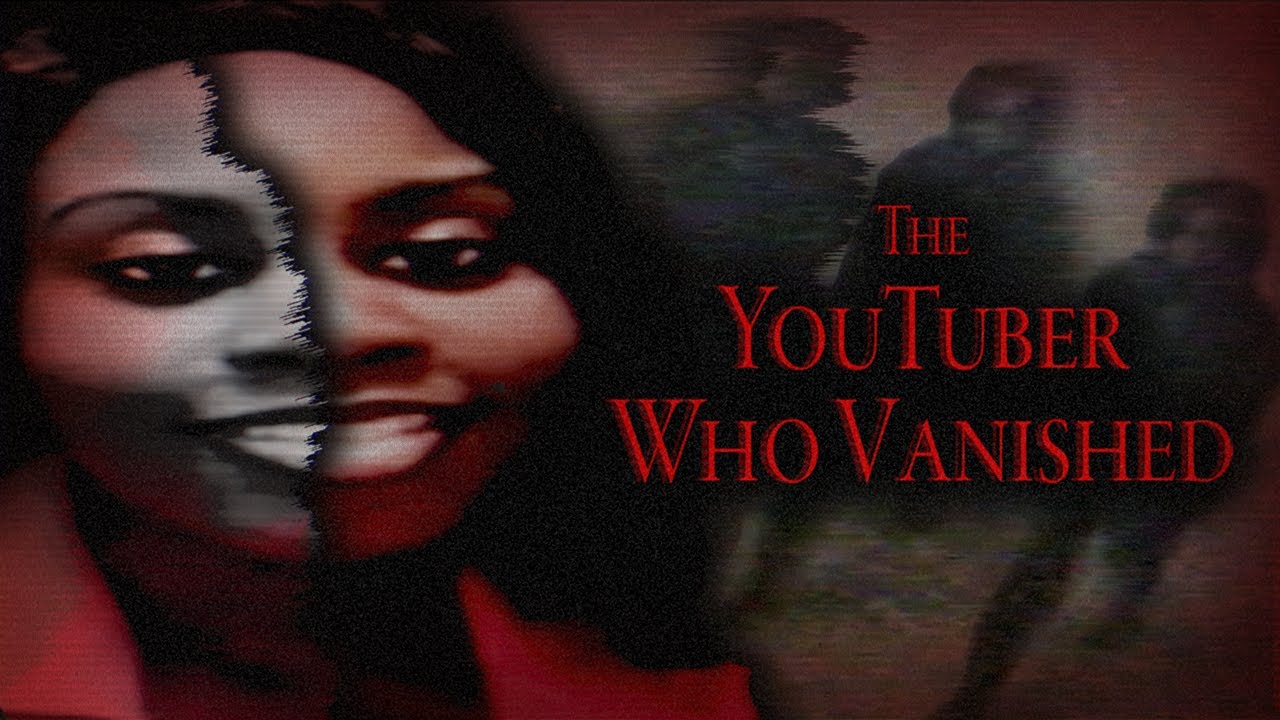
Nick Crowley’s Teleka Patrick Video: A Disappearance Told Through Her Own Uploads
On December 5, 2013, a 30-year-old medical resident finished her shift at a Michigan hospital and drove into the night. Hours later her car sat empty in an Indiana ditch — and the internet began finding pieces of a story she had been telling in public all along.
Most disappearance documentaries start with the night someone vanished. Nick Crowley’s starts earlier — with a YouTube channel. Before Dr. Teleka Patrick was a missing person, she was uploading videos under an alias, speaking to someone who may never have been watching. That framing is what makes this one of his strongest pieces: the mystery isn’t just where she went, it’s how much of the answer was sitting online in plain sight.
The video has drawn millions of views, and it’s easy to see why. Crowley treats the case as two interlocking puzzles — the physical disappearance on a December highway, and the digital trail of videos and messages that investigators and strangers alike have been picking through ever since.
At a Glance
| Video | “The YouTuber Who Vanished” |
|---|---|
| Channel | Nick Crowley |
| Published | October 25, 2022 |
| Length | ~26 minutes |
| Views | 4.7M+ |
| Subject | The 2013 disappearance of Dr. Teleka Patrick; the car, the footage, the digital trail |
What the Video Covers
The video opens on December 5, 2013, in Kalamazoo, Michigan. Dr. Teleka Patrick, a first-year psychiatry resident at Borgess Medical Center, finishes her shift. Her behavior that evening is erratic — she tries to rent a hotel room downtown, doesn’t stay, and is shuttled back to her car. Hours later, Indiana State Police find her gold 1997 Lexus in a ditch off I-94 near Porter, flat tire, keys gone, driver gone.
Then the video pivots to the part the title promises: the rabbit hole. Patrick had been posting videos and messages online under the name sandra3000cassie, much of it directed at gospel singer Marvin Sapp — who had secured a personal protection order against her months earlier, alleging she claimed to be his wife, contacted his children, and moved across the country to join his church. Crowley walks through the uploads and the hundreds of pages of correspondence with care, showing how the digital trail became the case’s second crime scene once her body was found.
The final act covers the discovery. In April 2014, a fisherman found Patrick’s body in Lake Charles, Indiana, about fifteen miles east of Gary. Autopsies found no signs of trauma; investigators concluded she drowned. The video doesn’t pretend that answers everything — Crowley is upfront that the family never accepted the official conclusion, and he leaves the viewer with the case’s real weight: a brilliant young doctor, a highway at night, and a trail of questions neither the road nor the internet could resolve.
Strengths
The digital-trail angle is genuinely fresh. Plenty of videos cover the car on I-94; far fewer give the YouTube and Twitter rabbit hole its due. Crowley’s background covering internet mysteries makes him the right narrator for this half of the story, and the recreated posts — built from Patrick’s exact wording — let her voice come through without sensationalizing it.
It keeps the victim at the center. It would be easy to make this a story about a stalking scandal or an internet curiosity. Instead, the video returns again and again to who Patrick was: raised in New York, a medical degree and a doctorate in biochemistry from Loma Linda, a first-year resident working with mentally ill patients — including children. The loss is never abstract.
Honest about what’s unknown. Crowley lays out the official findings — drowning, no trauma, case closed as investigators saw it — while plainly stating that the family disagreed and that key questions (what she was doing on that highway, why the erratic drive) were never answered. No false closure, no invented resolution.
Weaknesses
Light on the investigation itself. The video moves quickly through the four-month search and the official findings. Viewers who want the procedural detail — the cadaver dogs at the car, the January lake search, the second autopsy the family commissioned — will need to read the original reporting.
The stalking thread needs care, and mostly gets it. The Sapp protection order is central to the story, but the video has to walk a fine line between documenting alleged behavior and diagnosing it. It mostly holds that line, though a few passages lean on implication where a firmer editorial hand would help.
Runtime limits the depth. At just under 26 minutes, the video can only sketch the medical-residency pressure, the move from California, and the months of correspondence. The story could easily support twice the length without padding.
Who Should Watch
- Disappearance-case viewers — the I-94 mystery is one of the strangest of the 2010s, and this is a sharp entry point.
- Internet-mystery fans — the sandra3000cassie rabbit hole is pure Crowley territory, and he handles it well.
- True crime newcomers — a contained, respectful single-case documentary that doesn’t require any backstory.
- Viewers who want honesty over closure — the video resists neat endings, and it’s better for it.
8/10
A thoughtful, well-structured disappearance documentary — the digital-trail framing sets it apart, the victim stays at the center, and it’s honest about everything still unknown. It skims the investigation’s finer detail, but as an introduction to one of the decade’s strangest cases, it’s hard to beat.
Source: Nick Crowley on YouTube (“The YouTuber Who Vanished,” published October 25, 2022); case background via contemporary reporting on the 2013–2014 Teleka Patrick investigation, including the Porter County coroner’s findings and family statements.