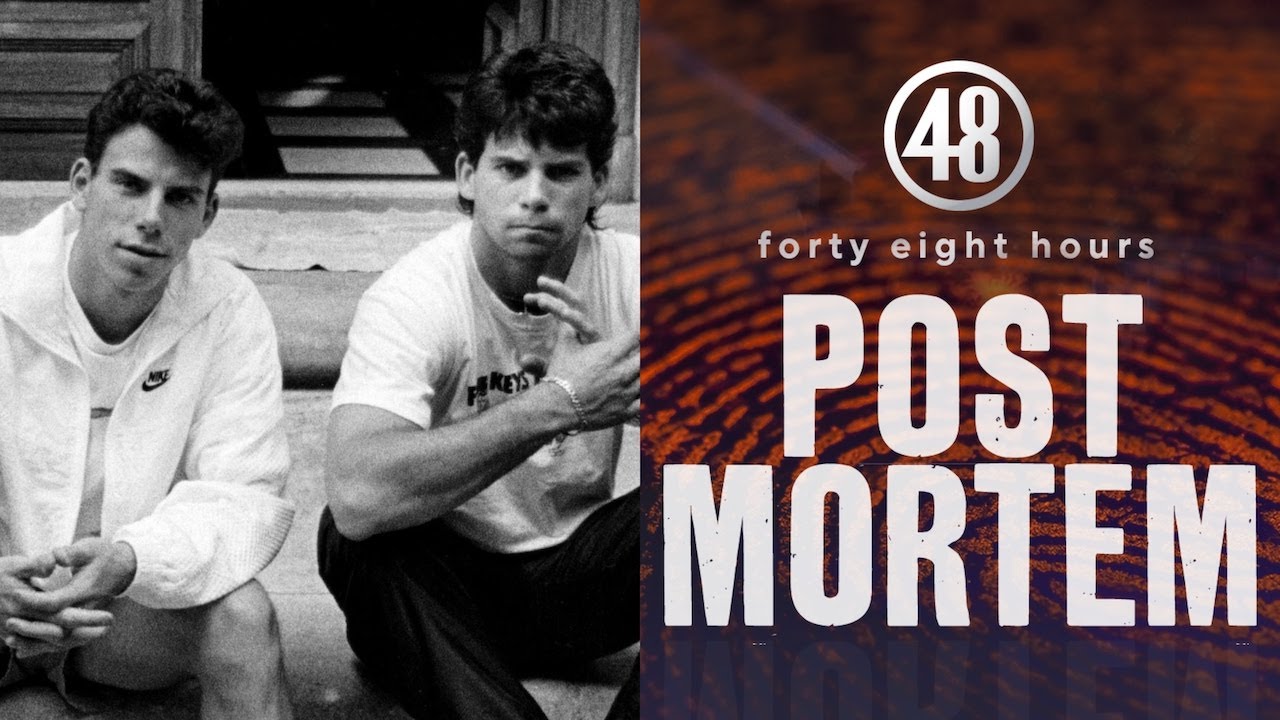
48 Hours' Menendez Brothers Video: New Evidence Against a Final Verdict
Lyle and Erik Menendez were convicted of murdering their parents, Jose and Kitty Menendez, in Beverly Hills in 1989, and for decades their life sentences looked like the end of the story. This 48 Hours episode, first reported in March 2024, examines the new evidence their supporters say should reopen it.
Most true crime episodes revisit a case to ask who did it. This one starts from a settled conviction and asks a harder question: what happens when new material surfaces decades later in one of the most notorious cases of the 1990s? Correspondent Natalie Morales reported the episode in March 2024, and this YouTube upload pairs the full episode with a Post Mortem discussion with coordinating producer Alicia Tejada.
The video, published on YouTube in October 2024, has drawn more than 515,000 views. Its description now carries a case update that postdates the filming: in May 2025 the brothers were resentenced to 50 years to life with the possibility of parole, their first parole bids were denied in August 2025, and in September 2025 a judge rejected their habeas petition for a new trial — context worth holding in mind while watching an episode filmed before any of that happened.
At a Glance
| Video | “The Menendez Brothers' Fight for Freedom | Full Episode + Post Mortem” |
|---|---|
| Channel | 48 Hours |
| Published | October 11, 2024 |
| Length | ~62 minutes |
| Views | 515,926 |
| Subject | Lyle and Erik Menendez; the new evidence, resentencing, and parole fight |
What the Video Covers
The episode opens on the case that defined a decade of courtroom television: the 1989 murders of Jose and Kitty Menendez in their Beverly Hills home, the brothers' arrests, and the trials that ended in life sentences without parole. It recaps what has changed since those first trials — in public attention, in how abuse claims are heard, and in the legal avenues still open to the brothers after more than three decades behind bars.
The center of the episode is the new evidence 48 Hours reported on in March 2024: a letter between cousins and an affidavit that, in the program's words, reveal a decades-old secret. The episode walks through what that material is, where it surfaced, and why the brothers' legal team argues it matters — while laying out the counterweight: the convictions themselves, and the prosecution position that the verdicts were sound.
At 41:58 the episode gives way to Post Mortem, where Morales and coordinating producer Alicia Tejada talk through what has changed since the brothers' first trials and what the new evidence could mean. The YouTube description then closes the loop the filming could not: the May 2025 resentencing to 50 years to life with the possibility of parole under youth offender parole laws, the parole denials that followed in August 2025, and the September 2025 rejection of the habeas petition for a new trial.
Strengths
It reports instead of relitigating by clip. Rather than simply replaying trial highlights, the episode is built around specific new material — the letter and the affidavit — and explains what each item is and what it would have to prove. Viewers finish knowing exactly what the fight is over.
The Post Mortem adds genuine context. Bonus discussions often pad a runtime; this one earns its place. Morales and Tejada address what has changed since the first trials directly, which helps viewers separate the 1990s record from the current legal position.
The victims are named and centered. Jose and Kitty Menendez are not treated as a pretext for a freedom campaign. The episode keeps the murders themselves in view even while examining the brothers' claims, which keeps the hour grounded.
Weaknesses
The episode predates its own ending. Filmed around the March 2024 reporting, it cannot cover the 2025 resentencing, the denied parole bids, or the rejected habeas petition — the most consequential developments in the case in years. The YouTube description's case update helps, but viewers who skip it will leave with an outdated picture.
Two programs, one runtime. At just over an hour, the upload joins a roughly 42-minute episode to a separate discussion segment. The seam at 41:58 is clearly marked, but the combined length asks more of viewers than a standard 48 Hours episode.
The underlying trials get compressed. Newcomers to the case get the outline of two complex trials rather than their substance. The episode assumes some familiarity with why the abuse defense divided the original juries, and viewers without that background may want a fuller account first.
Who Should Watch
- Menendez case followers — the clearest single-sitting account of the new evidence and the legal fight it started.
- Viewers who saw the 1990s trials — a direct look at how the case, and the conversation around it, has changed.
- Legal-process viewers — resentencing, youth offender parole, and habeas petitions explained through one live case.
- 48 Hours regulars — a flagship episode with the Post Mortem companion included in the same upload.
8/10
A substantive revisit of a closed case — the new evidence is presented clearly, the Post Mortem adds real context, and Jose and Kitty Menendez stay in view throughout. It loses a step only because the story moved on in 2025 faster than the episode could.
Source: 48 Hours on YouTube (“The Menendez Brothers' Fight for Freedom | Full Episode + Post Mortem,” published October 11, 2024), including its case update on the May 2025 resentencing, August 2025 parole denials, and September 2025 habeas ruling.