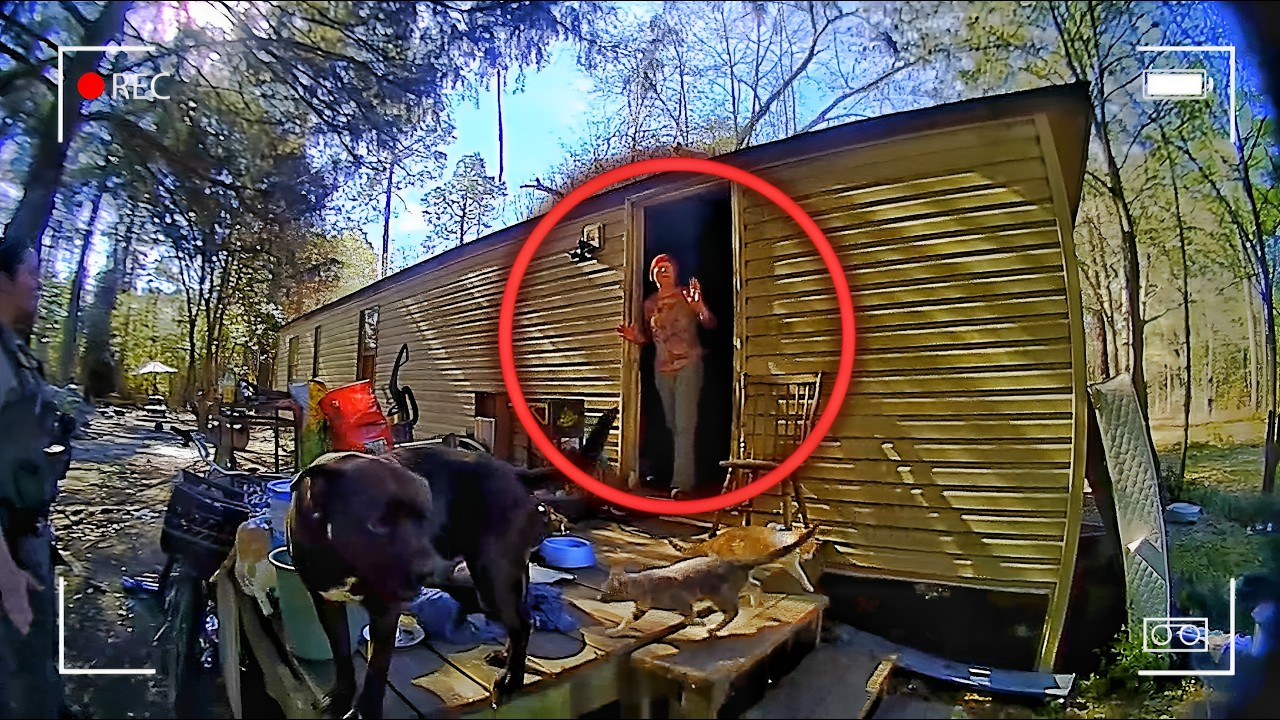
Video: https://www.youtube.com/watch?v=mLjJLsJl6y8
Mind Of A Criminal’s Eric Harris Video: The Welfare Check, the Bodycam, and the Account That Changed
In January 2020, a friend called deputies from a gas station in Statesboro, Georgia, with a chilling message: the man she had just given a ride to told her he had killed the woman living with him two days earlier. Mind Of A Criminal’s 26-minute documentary follows what deputies found when they went to the house — and what Eric Reid Harris told them next.
When Bulloch County deputies pulled up to the mobile home on Hendrix Circle, 54-year-old Eric Reid Harris was waiting in the front yard with his dog. Asked whether he and Lisa were OK, Harris said no — Lisa was gone. Inside the back bedroom, deputies found 48-year-old Melissa “Lisa” Pughsley dead on the floor.
The video, published on November 19, 2026, has drawn more than 215,000 views in its first four days. It is built from primary material — real police bodycam footage, a crime-scene walkthrough and hours of interrogation — rather than narration alone, and that choice shapes both its strengths and its limits.
At a Glance
| Video | “Welfare Check Reveals Man Has Been Hiding His Girlfriend’s Rotting Corpse in His Bedroom” |
|---|---|
| Channel | Mind Of A Criminal |
| Published | November 19, 2026 |
| Length | ~26 minutes |
| Views | 215K+ |
| Subject | The 2020 killing of Melissa “Lisa” Pughsley in Statesboro, Georgia; the welfare check, interrogation and voluntary manslaughter plea |
What the Video Covers
The video opens on January 2020, in Statesboro, Georgia. A friend calls deputies from a gas station after giving Harris a ride and hearing him say he had killed the woman living with him two days earlier. Deputies go to the mobile home on Hendrix Circle, where Harris is waiting outside, and the bodycam records the first exchange and the discovery in the back bedroom.
Harris’s account, as the video presents it, is that Lisa came at him with a baseball bat and that he hit her with a metal fence post. Investigators, the documentary shows, recovered a large galvanized pipe from the bedroom instead — a discrepancy the interrogation returns to. The video also notes an earlier check: just days before, Lisa’s sister had asked the sheriff’s office to check on her, deputies spoke to both of them at the same house, and Lisa said she was fine.
The second half follows the interrogation and the supporting evidence, including a recorded jail conversation between Harris and his former roommate, Carl Horton, who says Harris once hit him with a bat too. It ends where the real case did: Harris later pleaded guilty to voluntary manslaughter.
Strengths
The primary footage does the work. Bodycam, the crime-scene walkthrough and the interrogation itself let viewers judge Harris’s account against what deputies actually found, rather than relying on a narrator’s summary of it.
The central discrepancy is clearly framed. The bat and fence-post claim set against the galvanized pipe recovered from the bedroom gives the documentary a testable thread, and the interrogation footage shows detectives working through it methodically.
Contained and complete. At 26 minutes the video covers the call, the discovery, the earlier welfare check, the interrogation, the jail conversation and the guilty plea without padding the case out into a multi-hour retelling.
Weaknesses
The title is more sensational than the treatment. The documentary itself is largely procedural, but its title leans on graphic language about Lisa’s body that viewers should be prepared for before they click.
Thin on aftermath. The video reports the voluntary manslaughter plea, but viewers who want the fuller legal picture — sentencing detail and the wider court record — will need to look beyond this one documentary.
Lisa gets less of the frame than Harris. As with many interrogation-led videos, the suspect’s words occupy most of the running time. The earlier welfare check is an important inclusion, but there is comparatively little about Lisa’s life beyond the final days covered here.
Who Should Watch
- Bodycam and interrogation viewers — the case is told mainly through real footage rather than reconstruction.
- Viewers who prefer contained cases — a single incident, a single interrogation thread and a resolved plea in 26 minutes.
- True crime viewers interested in welfare checks — the earlier visit by deputies, days before the killing was reported, is a sobering part of the timeline.
7/10
A focused, footage-led documentary: the bodycam and interrogation carry the case, the central discrepancy is clearly tested, and the plea closes the arc. A sensational title and a thin aftermath keep it from scoring higher.
Source: Mind Of A Criminal on YouTube (“Welfare Check Reveals Man Has Been Hiding His Girlfriend’s Rotting Corpse in His Bedroom,” published November 19, 2026); case details as presented in the video’s bodycam, walkthrough and interrogation footage from Bulloch County, Georgia.