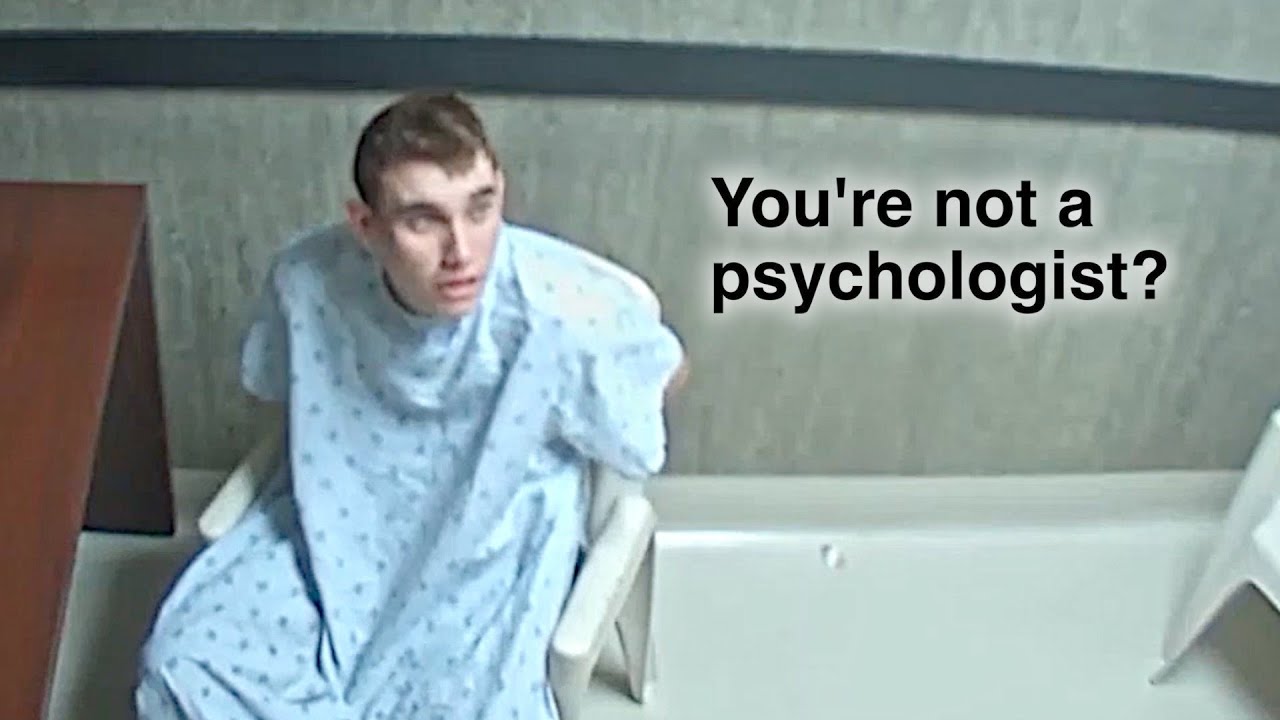
JCS – Criminal Psychology: The Interrogation Breakdown That Broke YouTube
The most-watched interrogation analysis on YouTube is not a shock video — it is a forensic psychology masterclass. Here is why “What Pretending to Be Crazy Looks Like” earned 30 million views in a single week, and whether it deserves your hour.
If you have spent any time on YouTube in the last few years, the algorithm has probably tried to show you JCS – Criminal Psychology. The channel, launched in 2017 under the name “Jim Can’t Swim,” does one thing and does it better than almost anyone on the platform: it takes real police interrogation footage and breaks it down like a university lecture in forensic psychology.
Its breakout hit is the reason the channel went from cult favorite to mainstream phenomenon. This is our review.
At a Glance
| Video | “What Pretending to Be Crazy Looks Like” |
|---|---|
| Channel | JCS – Criminal Psychology (formerly Jim Can’t Swim) |
| Published | May 26, 2021 |
| Length | ~59 minutes |
| Views | 30M+ in its first week |
| Subject | Interrogation analysis; the psychology of feigned mental illness |
What the Video Covers
The centerpiece is the interrogation of the gunman behind the 2018 Parkland school shooting — specifically, his apparent attempts to feign mental illness in the interrogation room in hopes of a lighter outcome. Around that footage, the video builds something bigger: a plain-English explainer of how the insanity defense actually works in the US, what malingering looks like to trained observers, and how detectives separate genuine disorientation from performance.
It also pulls in footage from unrelated cases to show the patterns are not one-offs. This is not a video about a crime; it is a video about how lies fall apart under pressure.
Strengths
The analysis is the star. Rather than just rolling shocking footage, the video pauses, rewinds, and explains — micro-expressions, contradictions in the suspect’s story, the exact techniques detectives use to keep a suspect talking without ever raising their voice. You finish it understanding how interrogations work, not just what happened in this one.
The restraint. True crime YouTube loves sensationalism. JCS goes the other way: calm narration, no jump cuts for cheap effect, no tabloid framing. The Parkland case is treated as a case study in deception, never as spectacle.
It respects your intelligence. No dumbing down, no filler. Every minute earns its place, which is rare for a video approaching an hour long.
Weaknesses
It is a commitment. Nearly an hour, and the pacing is deliberate by design. This is not background viewing — it demands your attention, and it will lose viewers who want quick hits.
The subject matter is heavy. Handled responsibly, but handled nonetheless. Seventeen people died at Parkland, and while the video never dwells on the crime itself, viewers should know what they are walking into.
Slow upload cadence. Not a flaw in this video, but worth knowing: the channel publishes rarely, so if this hooks you, the back catalog is short.
Who Should Watch
- Psychology nerds — this is applied behavioral analysis, not entertainment dressed up as science.
- Video essay fans — if you like long-form breakdowns, this is top-tier craft.
- Mindhunter viewers — this is the real-world version of that show’s interrogation scenes.
- True crime skeptics — if the genre’s sensationalism turns you off, this is the exception that proves the rule.
9/10
The gold standard of the interrogation-breakdown genre — rigorous, restrained, and genuinely fascinating. If you watch one true crime video this year, make it this one. Start here, then work through the channel’s back catalog.
Source: JCS – Criminal Psychology on YouTube; viewership figures via Know Your Meme’s coverage of the video’s viral spread in May–June 2021.