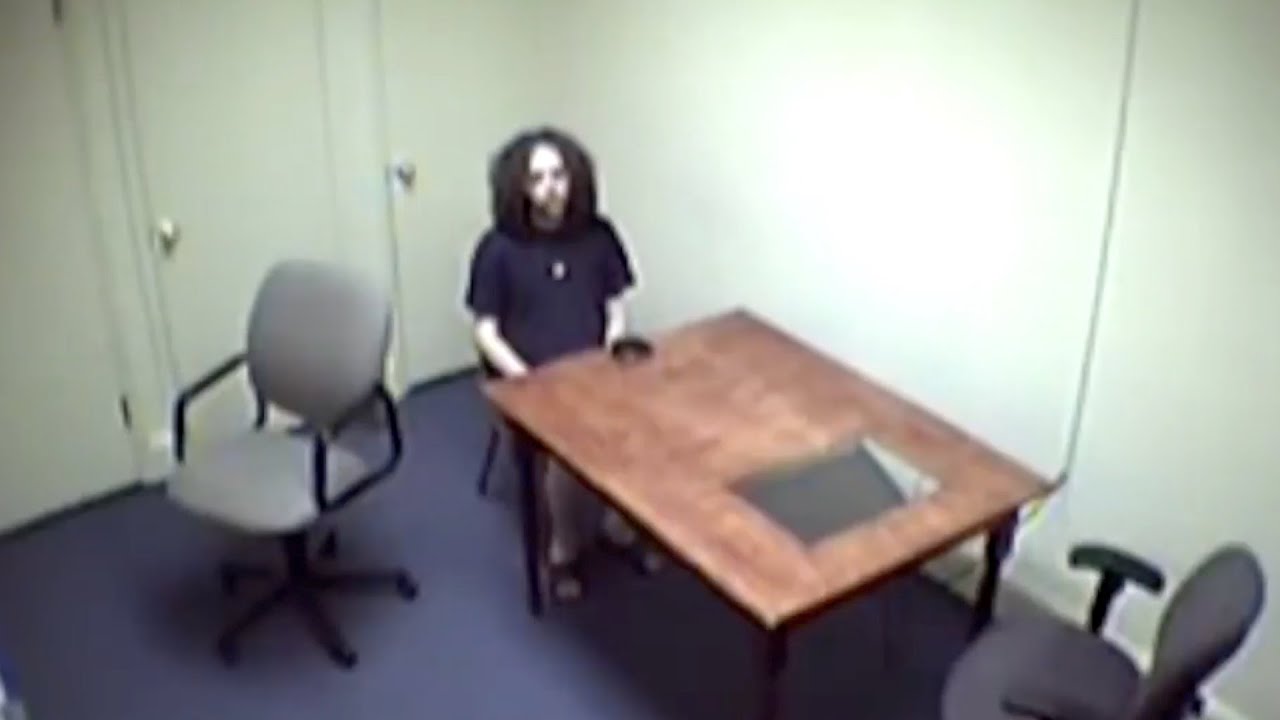
JCS’s Stephen McDaniel Video: Two Still Hours in the Interrogation Room
In June 2011, 27-year-old Lauren Giddings — a recent Mercer University law graduate studying for the bar — vanished from her apartment in Macon, Georgia. Her neighbor Stephen McDaniel played the worried friend on local television. Then detectives called him in for questioning, and he sat almost perfectly motionless for two hours.
The JCS – Criminal Psychology video, published in June 2020, is built almost entirely around that interrogation footage. At roughly 40 minutes, it is one of the channel’s most-watched entries, and it shows why the format works: rather than narrating the crime at length, JCS lets the interview do the talking, freezing the frame and walking through what McDaniel’s stillness — and the moments when it cracks — actually means.
What makes this case stick in the memory is the contrast. Days before the interrogation, McDaniel gave a television interview as a concerned friend, breaking down on camera when told a body had been found. Across the interrogation table, that person is gone — replaced by someone who barely moves, barely blinks, and answers questions with a flatness that the detectives have to work around for the full two hours.
At a Glance
| Video | “The Bizarre Case of Stephen McDaniel” |
|---|---|
| Channel | JCS – Criminal Psychology |
| Published | June 16, 2020 |
| Length | ~40 minutes |
| Subject | The 2011 murder of Lauren Giddings; McDaniel’s interrogation and the psychology behind it |
What the Video Covers
The video lays out the case plainly: on June 26, 2011, McDaniel used a stolen master key to enter Giddings’s neighboring apartment in the early morning hours, strangled her, and the following day dismembered her body with a hacksaw — leaving her torso in the apartment complex’s trash bin while scattering other remains in dumpsters around Macon. He pleaded guilty in 2014 and was sentenced to life in prison.
From there it moves to the two set pieces the title promises. First, the local TV interview where McDaniel performs concern — the video is careful to note how rehearsed the emotion looks in hindsight. Then the interrogation itself: nearly two hours of footage, compressed with the channel’s signature time-lapse, showing McDaniel sitting rigid while the detectives cycle through approaches, waiting for the mask to slip.
The analysis centers on the small ruptures in that stillness — the moments of over-explaining, the rehearsed lines, the places where his account of the night doesn’t survive contact with what police already know. JCS frames it as a study in control: a suspect trying to manage every muscle and every word, and the cracks that effort inevitably produces.
Strengths
The footage is the argument. Rather than telling you McDaniel was unnervingly calm, the video shows you — the time-lapse of two hours with the suspect barely shifting in his chair does more than any narration could. It is the interrogation-breakdown format at its most effective.
The psychology is genuinely instructive. JCS doesn’t just point at odd behavior; it explains the interrogation tactics in play — the silence, the evidence drip, the way detectives let a suspect’s own rigidity become the thing that convicts him in the viewer’s mind. You come away understanding the method, not just the case.
The victim stays present. For a video so focused on the suspect’s demeanor, it never loses the thread of why the interrogation exists: Lauren Giddings, a 27-year-old with her whole career ahead of her, was murdered by the neighbor she trusted enough to live beside. The case facts are stated plainly and early, and they anchor everything that follows.
Weaknesses
Almost entirely room-bound. If you want the wider investigation — the search, the forensics, the laptop evidence that worried prosecutors, the guilty plea and sentencing — you will need another source. This video lives inside the interview room and barely leaves it.
Commentary, not diagnosis. The video’s reading of McDaniel’s psychology is sharp and well-argued, but it is still one channel’s interpretation of behavior on camera — not a clinical assessment. The narration occasionally leans into certainty where caution would be more honest.
The JCS pacing isn’t for everyone. Long pauses, repeated footage, and slow time-lapses are the point, but viewers new to the channel may find stretches of it dry. This is a video that rewards patience and punishes skimming.
Who Should Watch
- Interrogation-footage fans — this is one of the genre’s defining tapes, and JCS gives it the full treatment.
- JCS and criminal-psychology viewers — a core catalog entry for anyone working through the channel’s best work.
- True crime viewers who prefer analysis — light on gore, heavy on behavior; the focus is the mind across the table, not the crime scene.
- Detective-technique nerds — a clean case study in how investigators handle a suspect who refuses to give them anything to work with.
9/10
One of JCS’s finest hours — the interrogation footage is unforgettable, the analysis earns its runtime, and the victim is never an afterthought. Docked a point only for staying so tightly inside the interview room that the rest of the case goes untold.
Source: JCS – Criminal Psychology on YouTube (“The Bizarre Case of Stephen McDaniel,” published June 16, 2020); case background via contemporary Georgia reporting and Wikipedia’s account of the 2011 murder of Lauren Giddings.