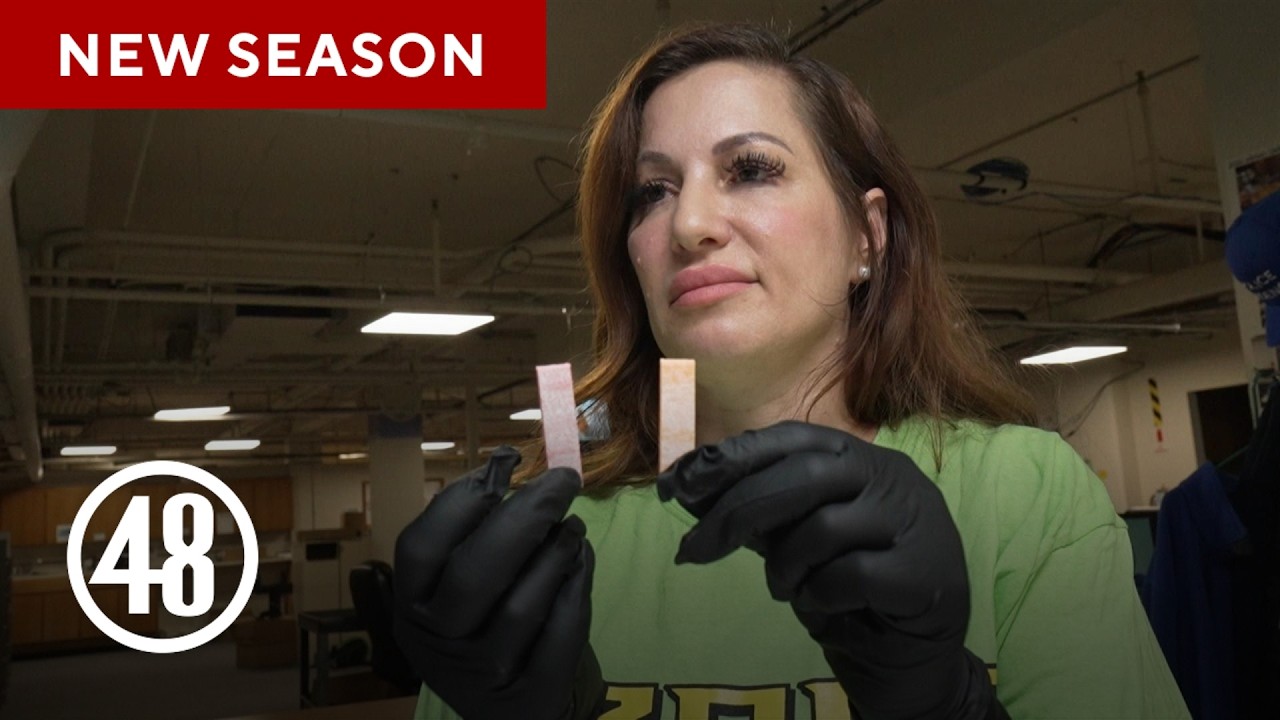
48 Hours' Chewing Gum Sting Video: The Ruse That Closed Two Everett Cold Cases
In January 2024, three Everett detectives knocked on a man's door posing as gum company researchers running a flavor survey. He chewed, he spat into a dish, and he handed over the DNA that tied him to two murders committed more than 40 years earlier. This 42-minute 48 Hours episode, reported by Peter Van Sant, tells how that sting came together.
Cold case episodes usually turn on a lab breakthrough or a genealogy database. This one turns on patience and nerve. Detective Susan Logothetti had linked Mitchell Gaff — a convicted predator released in 2018 after serving 33 years for violent sex crimes — to the unsolved Everett murders, but linking is not charging. She still needed a fresh DNA sample, and the episode is built around how she got one legally, in the open, on the suspect's own doorstep.
The video, published on YouTube in October 2026 after airing as part of the 48 Hours season premiere on October 17, has already passed one million views. It features Logothetti's only television interview on the case, which gives the hour a first-person spine most cold case episodes have to reconstruct secondhand.
At a Glance
| Video | “The Detective and the Chewing Gum Sting | Full Episode” |
|---|---|
| Channel | 48 Hours |
| Published | October 22, 2026 |
| Length | ~42 minutes |
| Views | 1.0M+ |
| Subject | The 1980 and 1984 Everett murders of Susan Vesey and Judy Weaver; the gum ruse that identified Mitchell Gaff |
What the Video Covers
The episode opens with the two cases. Susan Vesey, a 21-year-old mother of two, was murdered in Everett, Washington, in 1980. Four years later, Judy Weaver, a divorced mother, was sexually assaulted and strangled in her Everett home. For more than four decades, no one was held responsible for either killing, and suspicion settled painfully on people close to the victims.
The middle of the episode follows Detective Susan Logothetti's cold case work. Gaff had been in the national DNA database since the 1980s for the violent rape of two teenage sisters in Everett, committed just months after Weaver was killed, and a separate DNA match on cord used to bind Vesey pointed the investigation toward him as well. Released in 2018, he was living quietly in Everett — close enough for detectives to watch, but not yet close enough to charge without a confirming sample.
The final act is the sting itself. In January 2024, Logothetti and two colleagues arrived at Gaff's home in T-shirts, carrying flyers for a gum company and offering a flavor survey. Gaff chewed several pieces and handed them back; DNA from the gum matched evidence from Weaver's murder. Gaff pleaded guilty in April 2026 to both killings and was sentenced the following month to spend the rest of his life in prison. The episode closes with the families, and with what an answer — even one 40 years late — actually changes for them.
Strengths
The detective is the story, and she tells it herself. Logothetti's only television interview gives the episode unusual immediacy. The planning, the nerves at the door, and the moment the gum went into the dish are recounted by the person who lived them, not narrated around her.
A genuinely instructive look at cold case method. The episode explains, step by step, why investigators needed fresh DNA even with a named suspect and a database history — the difference between a lead, a match, and evidence a prosecutor can take to court. It is a clear, grounded lesson in how these cases actually close.
Both victims stay in frame. Vesey and Weaver are presented as people with families who carried these cases for decades, not as backstory for the sting. The episode also acknowledges the collateral damage of an unsolved case: the suspicion that fell on innocent people close to the victims for years.
Weaknesses
The outcome is known from the title onward. As with most 48 Hours episodes built around a solved case, the suspense is procedural rather than open — viewers who want an unresolved investigation will find the shape familiar.
The two cases get uneven depth. Weaver's murder drives the DNA narrative, so Vesey's case — four years older and solved through a different piece of evidence — receives noticeably less time. Viewers looking for equal detail on both investigations may want more.
Light on the release question. Gaff served 33 years for earlier violent sex crimes and was released in 2018. The episode notes that history, but spends little time on the supervision and release decisions that put a known predator back in the same community — a thread some viewers will wish had been pulled harder.
Who Should Watch
- Cold case followers — two 40-year-old cases closed by one small, legal, brilliantly simple piece of police work.
- DNA-evidence enthusiasts — a clear walkthrough of why a fresh confirming sample matters, even with a database hit.
- 48 Hours regulars — a strong season-premiere episode, anchored by a correspondent interview the program rarely gets.
- Detective-work admirers — this is an episode about craft and patience more than forensics spectacle.
8/10
A satisfying, well-told cold case episode — the gum ruse is as clever as advertised, Logothetti's firsthand account carries the hour, and both victims are treated with care. Uneven depth between the two cases keeps it just short of the top tier.
Source: 48 Hours on YouTube (“The Detective and the Chewing Gum Sting | Full Episode,” published October 22, 2026; episode first aired October 17, 2026); case background via CBS News / 48 Hours reporting and Everett Daily Herald coverage of the Mitchell Gaff case.