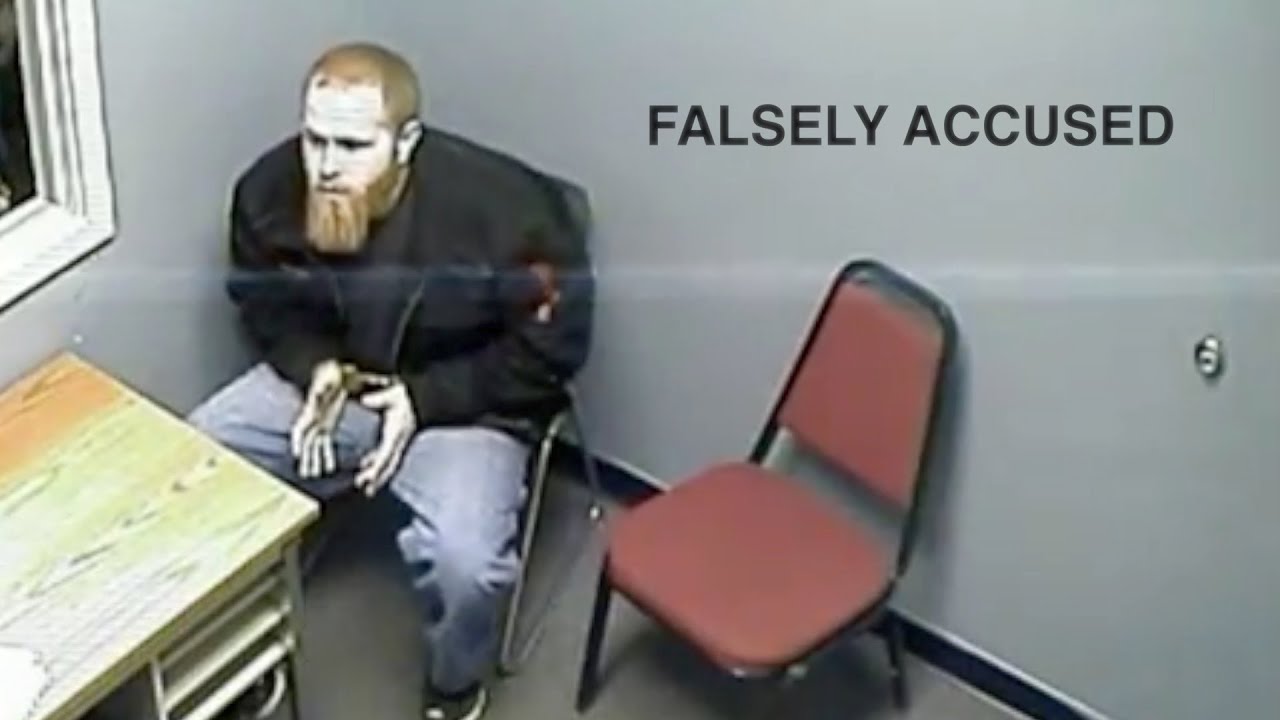
Guilty Until Proven Innocent: JCS on the Interrogation Trap
The most dangerous person in an interrogation room is not always the suspect — sometimes it is the detective who walked in already sure. In seventeen minutes, JCS – Criminal Psychology shows how a presumption of guilt can turn an innocent person’s every word into evidence against them.
If you know JCS – Criminal Psychology, you know the formula: real interrogation footage, a calm narrator, and a forensic breakdown of exactly where the psychology bends. Most of the channel’s famous videos study the guilty — how liars give themselves away. This one flips the lens. “Guilty until proven innocent.” is about what happens when the system gets it wrong, and how innocence itself can look suspicious once an investigator has decided.
It has earned its place as one of the channel’s most-watched uploads for a reason. This is our review.
At a Glance
| Video | “Guilty until proven innocent.” |
|---|---|
| Channel | JCS – Criminal Psychology (5.64M subscribers) |
| Published | October 8, 2020 |
| Length | 17:17 |
| Views | 22.8M+ |
| Subject | Interrogation analysis; how presumption of guilt distorts the reading of innocent behavior |
What the Video Covers
The video’s central device is hindsight — the unfair advantage the viewer has over the detective. JCS walks through two interrogations of innocent men accused of crimes they did not commit, and shows how differently innocence can look.
The first case is Michael Dixon, a 37-year-old accused of breaking into a jewelry store. Dixon is the picture of composure: calm, cooperative, confident enough to challenge the detective’s claims directly — including an assertion of conclusive video evidence that Dixon knows cannot exist, because he was not there. The detective, meanwhile, brushes past critical evidence from a 911 call that does not fit the theory. Dixon was eventually exonerated, and the fallout included damages and repercussions for the officers involved.
The second case is Justin, whose response to false accusation is the opposite of Dixon’s: aggressive, confrontational, furious at being disbelieved. It is the reaction most innocent people imagine they would have — and the video shows how easily it reads as guilt to an investigator who has already made up their mind.
Around these two cases, JCS builds the larger argument: interrogation analysis is easy in hindsight, but investigators do not get hindsight. What they get is a suspect, a theory, and a room — and once the theory hardens, everything the suspect does gets filtered through it. Cooperation looks like manipulation. Anger looks like a guilty conscience. The video’s quiet thesis is that the innocent have no reliable way to “act innocent,” because there is no universal behavior of innocence for a biased observer to recognize.
Strengths
The hindsight framing is brilliant. True crime usually hands you the answer and lets you feel smart. This video hands you the answer and then makes you uncomfortable about it — showing that the detective’s errors are not stupidity but the predictable output of confirmation bias under pressure.
The two-case structure. Dixon and Justin could not be more different in temperament, and that is the point. Whatever an innocent person does — stay calm or blow up — the video demonstrates how a decided investigator reads it as guilt. The contrast does the arguing.
Seventeen minutes, zero filler. At a quarter of the length of the channel’s epics, this is the most efficient thing JCS ever published. Every minute earns its place, and the restraint of the narration keeps the focus on the footage, not the host.
Weaknesses
It is a sketch, not a mural. The brevity that makes it watchable also means neither case gets the deep-dive treatment of the channel’s longer videos. Viewers who want the full legal aftermath will need to look it up themselves.
The subject is unsettling by design. There is no catharsis here — no killer unmasked, no justice montage. Just the queasy realization that the machinery can misfire on anyone, handled responsibly but unavoidably heavy.
Not a whodunit. If you came for a mystery with a solution, this is the wrong video. It is about process and bias, and some true crime fans will find that less satisfying than a case file.
Who Should Watch
- Psychology nerds — confirmation bias and hindsight bias, demonstrated on real footage instead of in a textbook.
- True crime skeptics — if the genre’s “gotcha” interrogation videos bother you, this is the antidote: what those videos look like from the other chair.
- Anyone who has ever thought “I’d never confess to something I didn’t do” — this video is a seventeen-minute argument for humility about that claim.
- JCS completists — the tonal outlier in the catalog, and arguably the most important one.
8/10
JCS at its most unsettling and most essential — a short, surgical demonstration that the interrogation room rewards the detective’s theory, not the suspect’s truth. Not the channel’s deepest video, but possibly its most consequential. Watch it, then never trust a “he looked guilty” the same way again.
Source: JCS – Criminal Psychology on YouTube; viewership and upload details as shown on the video page; case details per the video’s own narration and published summaries of the video.