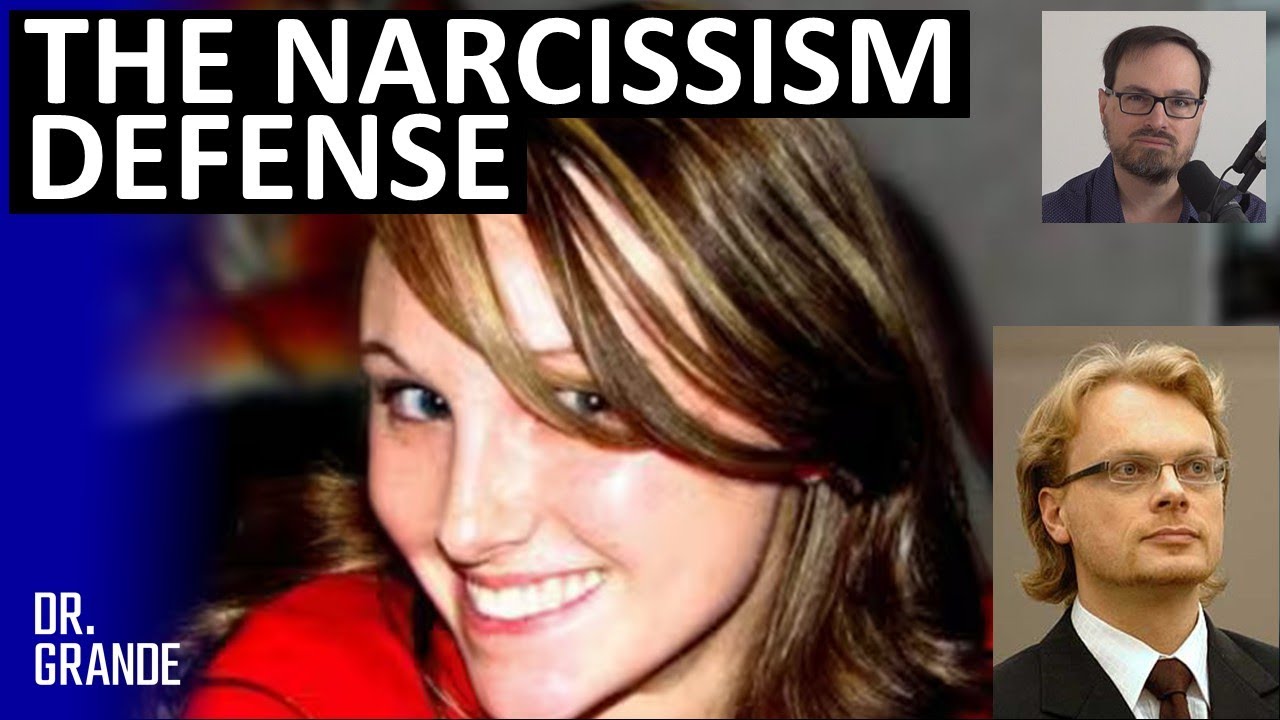
Dr. Todd Grande: The “Narcissism Defense” That Failed
Content note: this video discusses a real homicide case — the 2008 murder of Sophie Elliott in New Zealand — including descriptions of extreme violence. Some viewers may find it disturbing.
Dr. Todd Grande: The “Narcissism Defense” That Failed
Clayton Weatherston stabbed his ex-girlfriend Sophie Elliott 216 times, then argued in court that she had provoked him — an argument dressed up in the language of narcissism. Dr. Todd Grande’s case analysis takes that defense apart calmly and clinically, without ever letting the victim disappear from the story.
Dr. Todd Grande is one of YouTube’s most prolific explainers of forensic psychology. A former counselor and associate professor with 1.7 million subscribers, his format is disarmingly simple: “This video answers the question: Can I analyze the case of…?” — followed by a calm, jargon-light analysis of the minds and motives behind real crimes.
This installment takes on one of New Zealand’s most notorious murder trials. On January 9, 2008, in Dunedin, economics tutor Clayton Weatherston killed his 22-year-old ex-girlfriend Sophie Elliott — a former student of his — stabbing or cutting her 216 times in her home. Weatherston admitted the killing but argued he had been provoked, hoping for a manslaughter verdict instead of murder, with the defense leaning on claims about his personality — the “narcissism defense” of the video’s title. The jury didn’t buy it: in July 2009 he was convicted of murder and sentenced to life imprisonment with a minimum of 18 years without parole.
At a Glance
| Detail | What to Know |
|---|---|
| Video | “PhD Invokes ‘Narcissism Defense’ After Stabbing Lover 216 Times | Clayton Weatherston Case Analysis” |
| Channel | Dr. Todd Grande (1.7M subscribers) |
| Published | April 16, 2025 |
| Length | ~15 minutes |
| Views | 96K+ |
| Subject | Case analysis; the “narcissism defense” and the provocation claim in a New Zealand murder trial |
What the Video Covers
Grande opens with the case background: who Weatherston was, who Sophie Elliott was, and the undisputed facts of January 9, 2008. Then he turns to the heart of the video — the defense strategy. Weatherston’s team argued provocation, a partial defense that could have reduced murder to manslaughter, and framed his behavior through the lens of narcissistic personality traits: the suggestion that his psychology, and Elliott’s supposed provocation of it, explained the killing.
This is where Grande is at his best. He walks through what narcissistic personality traits actually look like clinically, how they differ from a legal defense, and why a personality style — even a disordered one — does not convert a brutal, sustained attack into a provoked one. He assesses the mental-health arguments the way a clinician would: carefully, skeptically, and anchored to the evidence rather than the courtroom theater.
He closes with his conclusions on the case and the defense — measured, but unambiguous about where the analysis lands.
Strengths
The clinical distance is the point. This case generated enormous outrage in New Zealand — Weatherston’s remorseless courtroom performance made headlines for weeks. Grande refuses the outrage cycle entirely. No dramatic music, no moral grandstanding; just a psychologist explaining why the defense’s theory doesn’t hold together.
It teaches you something transferable. The video doubles as a compact explainer of narcissistic personality traits and the provocation defense — concepts that show up in courtrooms far beyond this one case. You come away understanding the psychology, not just the headlines.
The victim stays in frame. True crime analysis can easily become a seminar about the killer. Grande keeps returning to the undisputed facts of what happened to Sophie Elliott, and the analysis never minimizes the sustained, deliberate nature of the attack.
Weaknesses
It’s brief. Fifteen minutes only stretches so far. This is an analysis of a defense strategy, not a full documentary — viewers wanting the complete story of the trial, the appeals, or the legal aftermath will need to look elsewhere.
The format is spare. One talking head, minimal visuals, no courtroom footage. The substance carries it, but viewers expecting documentary polish should adjust expectations.
Heavy by nature. Even presented clinically, 216 stab wounds is a harrowing fact to sit with. The video handles it responsibly, but there is no version of this case that makes for light viewing.
Who Should Watch
- Forensic psychology fans — Grande applying clinical concepts to a real courtroom strategy, at his most precise.
- True crime viewers tired of sensationalism — no reenactments, no tabloid framing, just analysis.
- Law and psychology students — a compact case study in how personality-disorder language gets used (and misused) as a legal defense.
- JCS viewers branching out — if you like interrogation-room psychology, this is the courtroom-strategy counterpart.
Verdict: 8/10 ★★★★★★★★★★
A sharp, disciplined piece of forensic psychology — Grande dismantles the “narcissism defense” without ever losing sight of Sophie Elliott. Short, clinical, and well worth fifteen minutes. Pair it with reporting on the trial for the full picture.
Source: Dr. Todd Grande on YouTube; case details via Radio New Zealand’s coverage of the Weatherston trial, sentencing, and appeals.