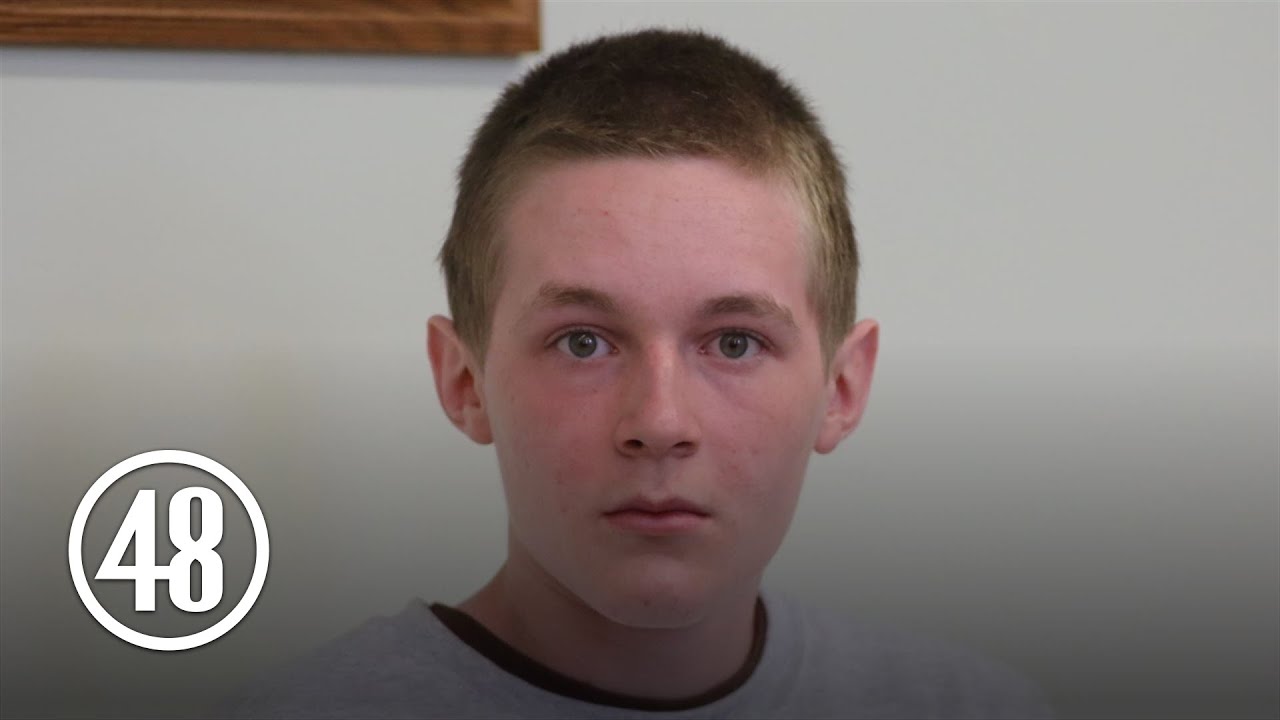
Watch the video on YouTube: Portrait of a Killer | Full Episode — 48 Hours
48 Hours' Portrait of a Killer Video: The Teen, the Confession, and the Law
On April 14, 2013, Claudia Maupin, 76, and her husband Oliver "Chip" Northup Jr., 87, were killed as they slept in their Davis, California home. Investigators found no forensic evidence at the scene. Two months later a tip led them to Daniel Marsh, who was 15 at the time and lived nearby. Erin Moriarty's report follows the investigation, Marsh's confession, his 52-years-to-life sentence, and the later California law that reopened the question of when he could go free.
48 Hours, CBS's long-running investigative series, first aired this episode on February 23, 2019. Posted in full to YouTube on February 10, 2026, the 43-minute video has drawn more than 2.9 million views — a sign that the legal question at its center still resonates well beyond Davis.
What gives the episode its weight is that it is two stories at once: a murder investigation with almost no physical evidence to start from, and a policy argument about how the justice system should treat a killer who was 15. The episode keeps both in view, and keeps the victims' family in view throughout. This is our review.
At a Glance
| Video | “Portrait of a Killer | Full Episode” |
|---|---|
| Channel | 48 Hours |
| Published | February 10, 2026 |
| Length | ~43 minutes |
| Views | 2.9M+ |
| Subject | The 2013 murders of Claudia Maupin and Oliver Northup by Daniel Marsh; juvenile sentencing in California |
What the Video Covers
The video opens in Davis, California, in April 2013. Maupin and Northup were found dead in their home, each stabbed dozens of times. Yolo County District Attorney Jeff Reisig describes it in the episode as the most horrific murder he had seen in the county, and investigators found no fingerprint, DNA, or shoe print to work from.
The break came about two months later, when a teenager told police his friend Daniel Marsh had bragged about the killings. Marsh, whose father rented a home nearby, had entered through a cut back-window screen while the couple slept. In a lengthy police interview, including with FBI Special Agent Chris Campion, Marsh confessed in detail — matching the crime scene — and said of the killings, in the episode's most quoted line, that "it felt amazing." He also described having scouted other homes that night and having thought about killing again.
Marsh was charged as an adult, pleaded not guilty by reason of insanity, and was convicted in 2014 of two counts of first-degree murder with special circumstances; the jury found him sane. He was sentenced to 52 years to life. The second half of the episode turns to what happened next: California's Proposition 57 in 2016 and Senate Bill 1391 in 2018 changed how juveniles are tried, and Marsh's lawyers argued he should be resentenced as a juvenile — a change that could have made him eligible for release at 25. Maupin's daughter, Victoria Hurd, and other family members describe what it meant to face that prospect years after the verdict.
Strengths
The interrogation is handled with restraint. The episode lets Marsh's own recorded words carry the account of the crime rather than narrating over them. Hearing a confession in the suspect's flat, matter-of-fact tone is more informative — and more unsettling — than any reconstruction.
The victims and their family stay central. Maupin, a pastoral associate, and Northup, an attorney and bluegrass musician, are presented as people with full lives, not just as a case file. Hurd's interviews give the legal fight its human stakes: for the family, each new hearing reopens the loss.
The legal issue is explained clearly. Juvenile-transfer law is complicated, and the episode lays out in plain terms why a change in how minors are charged could affect a sentence imposed years earlier, and what was actually at stake in the hearing — without pretending the question is simple.
Weaknesses
It is a 2019 broadcast, and it feels like one. The pacing, recaps, and act-break structure were built for commercial television. Viewers used to long-form YouTube documentaries may find the repetition noticeable, and later legal developments after the original airdate are not covered in this upload.
The reform side gets less depth. The episode presents the case for resentencing mainly through Marsh's lawyers and the text of the new laws. Viewers who want the fuller research debate on juvenile culpability and rehabilitation will need to look elsewhere.
The psychological framing is presented as settled. Experts in the episode describe Marsh in stark terms based on his confession and history. That assessment was part of the prosecution's case; viewers should treat it as expert testimony in an adversarial process, not as a standalone clinical portrait.
Who Should Watch
- 48 Hours and broadcast true crime viewers — a complete, professionally reported episode with the case and its legal aftermath in one place.
- Interrogation viewers — the confession interview, including the FBI questioning, is the episode's core and its strongest material.
- Juvenile-justice watchers — a concrete case through which to see how Proposition 57 and SB 1391 affected real sentences.
- Viewers who prefer resolved cases — the crime, the trial, and the sentence are all settled; the open question is the law, not the facts.
8/10
A clear, restrained broadcast investigation — the confession footage is compelling, the family keeps the victims at the center, and the juvenile-sentencing question is explained without sensationalism. Its 2019 TV pacing and thinner treatment of the reform argument keep it from a higher mark.
Source: 48 Hours on YouTube (“Portrait of a Killer | Full Episode,” published February 10, 2026; episode originally aired February 23, 2019); case background via CBS News / 48 Hours reporting and contemporary coverage of the 2013 Davis case and Marsh's 2014 conviction and 52-years-to-life sentence.