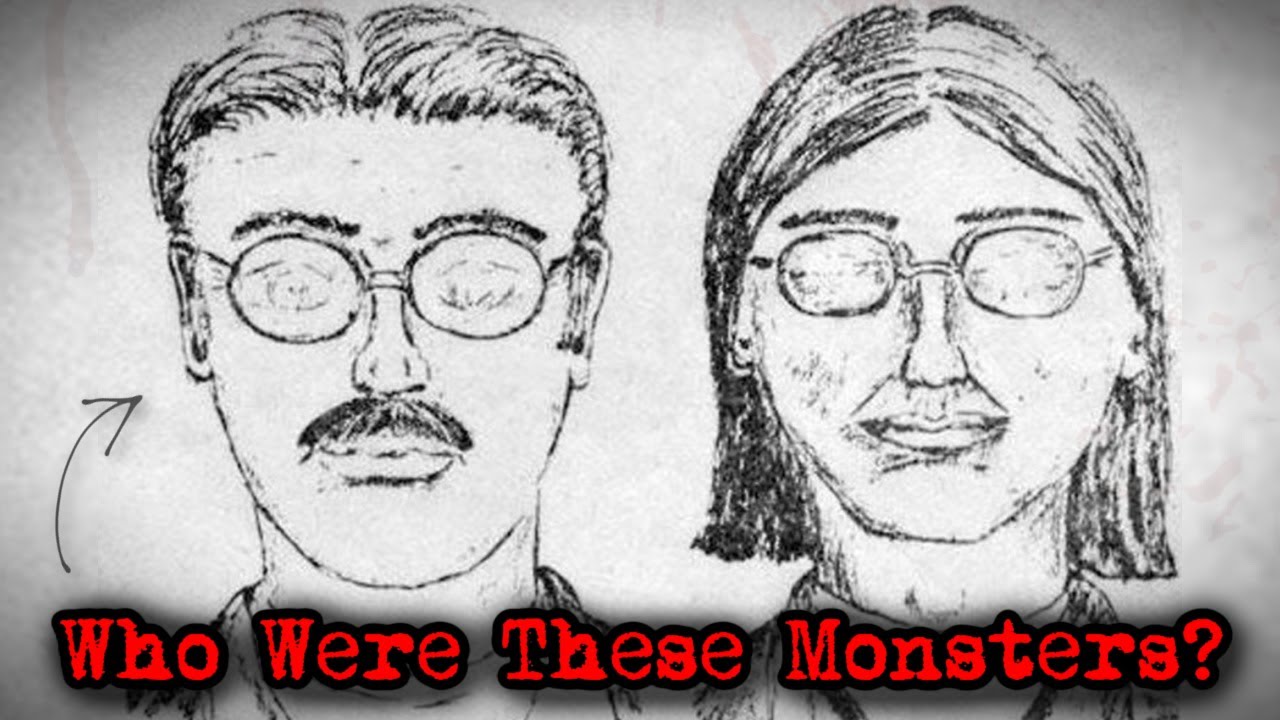
Lazy Masquerade: The Cabin 28 Massacre That True Crime Can’t Forget
On the night of April 11, 1981, a mother, her teenage son, and his friend were murdered inside Cabin 28 at a quiet California resort — while children slept in the next room. A 12-year-old girl vanished into the night. Lazy Masquerade’s 26-minute documentary asks why, 45 years on, no one has ever been charged. Here is what the video gets right, and where it wobbles.
If you spend time in the true crime corners of YouTube, you already know Lazy Masquerade. The British channel — nearly 1.9 million subscribers — built its name on slow-burn, atmospheric documentaries about unsolved mysteries and disturbing cases, told in a calm, deliberate narration that never rushes toward the lurid payoff.
The Keddie Cabin murders are a perfect fit for that style. This is a case with no satisfying resolution, no arrest, and a trail of investigative missteps that frustrate even casual viewers. The question this review answers: does a 26-minute documentary do the case justice, or does it just add another layer of internet fog?
At a Glance
| Video | “The Unsolved Massacre at Keddie Cabin” |
|---|---|
| Channel | Lazy Masquerade (1.9M subscribers) |
| Published | February 20, 2022 |
| Length | ~26 minutes |
| Views | 730,000+ on YouTube |
| Subject | The 1981 Keddie Cabin murders; Tina Sharp’s disappearance; investigative failures |
What the Video Covers
The video opens with background on the Sharp family: Glenna “Sue” Sharp had recently moved with her five children to Cabin 28 at the Keddie Resort in the Sierra Nevada, in the rural town of Keddie, California. Lazy Masquerade then walks through the day of the incident — April 11, 1981 — in chronological order: the evening the household settled in, and the morning of April 12, when Sue’s 14-year-old daughter Sheila returned home to find her mother, her 15-year-old brother John, and John’s 17-year-old friend Dana Wingate bound, bludgeoned, and stabbed to death in the cabin’s living room.
What follows is the part of the case that keeps it alive in true crime circles: Sue’s 12-year-old daughter Tina was missing from the scene, and would remain missing for three years until her remains were recovered in 1984 near Feather Falls, California. Three boys — Rick, Greg, and their friend Justin Smartt — had slept through the night in an adjacent bedroom, unharmed.
From there the video moves through the investigation, Justin Smartt’s controversial hypnosis sessions, the suspects and their possible motives, later developments, the internet’s “Keddie28” theory, and a closing reflection on a case that has never produced a single charge.
Strengths
The structure earns the runtime. Timestamped chapters — background, the incident, the discovery, the investigation, hypnosis, Tina’s fate, suspects, developments, theories — keep a sprawling, 45-year-old case legible. You always know where you are in the timeline.
The restraint. The Keddie murders are the kind of case that invites lurid speculation. Lazy Masquerade’s narration stays measured throughout, treats the victims as people rather than plot devices, and focuses its sharpest criticism where it belongs: on the investigation itself.
It asks the right uncomfortable question. The most effective thread in the video is not “who did it” but “how was this handled” — the lost evidence, the disorganized early investigation, the years of stalled progress. Framing it as an institutional failure story gives the video a thesis, not just a body count.
Weaknesses
The sourcing is uneven. The video’s own cited sources mix solid material (the Wikipedia article on the case) with a Reddit post and the fan-run “Keddie28” site. For a case this contentious, heavier reliance on primary reporting — the Feather River Bulletin and Sacramento Bee coverage the video touches on — would have carried more weight.
The cold open is rented out. The video begins with a Shudder sponsorship segment before the story starts. It is brief and clearly marked, but it delays the hook in a video that is already under half an hour.
Theory without enough counterweight. The “Keddie28” theory segment is engaging, but the pushback gets less airtime than the speculation. Viewers new to the case could leave thinking the amateur consensus is firmer than it is.
Who Should Watch
- Cold-case devotees — this is one of the great unsolved American mysteries, told straight.
- Unsolved-mystery documentary fans — if you like atmospheric, narration-driven deep dives, this is top of the form.
- Procedural skeptics — the video’s real subject is how investigations fail, and it is worth your time on that angle alone.
- Lazy Masquerade regulars — a vintage entry from the channel’s peak long-form era.
8/10
A measured, well-structured documentary on one of America’s most haunting unsolved cases. The uneven sourcing and a front-loaded ad read keep it from the top tier, but the restraint and the focus on investigative failure make it 26 minutes well spent.
Source: Lazy Masquerade on YouTube; case details via the Wikipedia article on the Keddie murders and The Lineup’s reporting.