JCS’ “How To Interrogate a Narcissist”: Warmth as an Interrogation Weapon
In October 2021, 22-year-old Emily Ferlazzo was killed by her husband Joseph during what was supposed to be a first-anniversary trip in their camper van in Vermont. Days later, Vermont State Police sat him down in an interview room — and instead of pressure, they gave him kindness. JCS’ 59-minute breakdown, published in December 2025, argues that every bit of that warmth was deliberate.
JCS uploads rarely, and when the channel does, it is an event: this one has already drawn more than 7.6 million views. The format is the one that made the channel essential viewing — real interrogation footage, narrated analysis, and a clear thesis argued from start to finish. Here the thesis is in the title: some suspects are not broken by confrontation. They are handled by choreography.
What makes the video work is that it does not simply assert that claim. It opens with the detectives explaining it themselves, in trial testimony, before a single minute of the interrogation plays — so by the time Joseph Ferlazzo sits down at the table, you are watching the technique the way the officers intended it.
At a Glance
| Video | “How To Interrogate a Narcissist” |
|---|---|
| Channel | JCS - Criminal Psychology |
| Published | December 17, 2025 |
| Length | ~59 minutes |
| Views | 7.6M+ |
| Subject | The Vermont State Police interrogation of Joseph Ferlazzo; interrogating a narcissistic suspect |
What the Video Covers
The video opens on October 2021, in Bolton, Vermont. Emily Ferlazzo, a 22-year-old nurse, and her husband Joseph, a 41-year-old tattoo artist, had driven their converted camper van to Vermont to celebrate their first wedding anniversary. During the trip, Joseph shot Emily twice in the head inside the van, then dismembered her body. He returned to New Hampshire alone, saying she had left after an argument — until a friend told police he had confessed, and her remains were found in the camper.
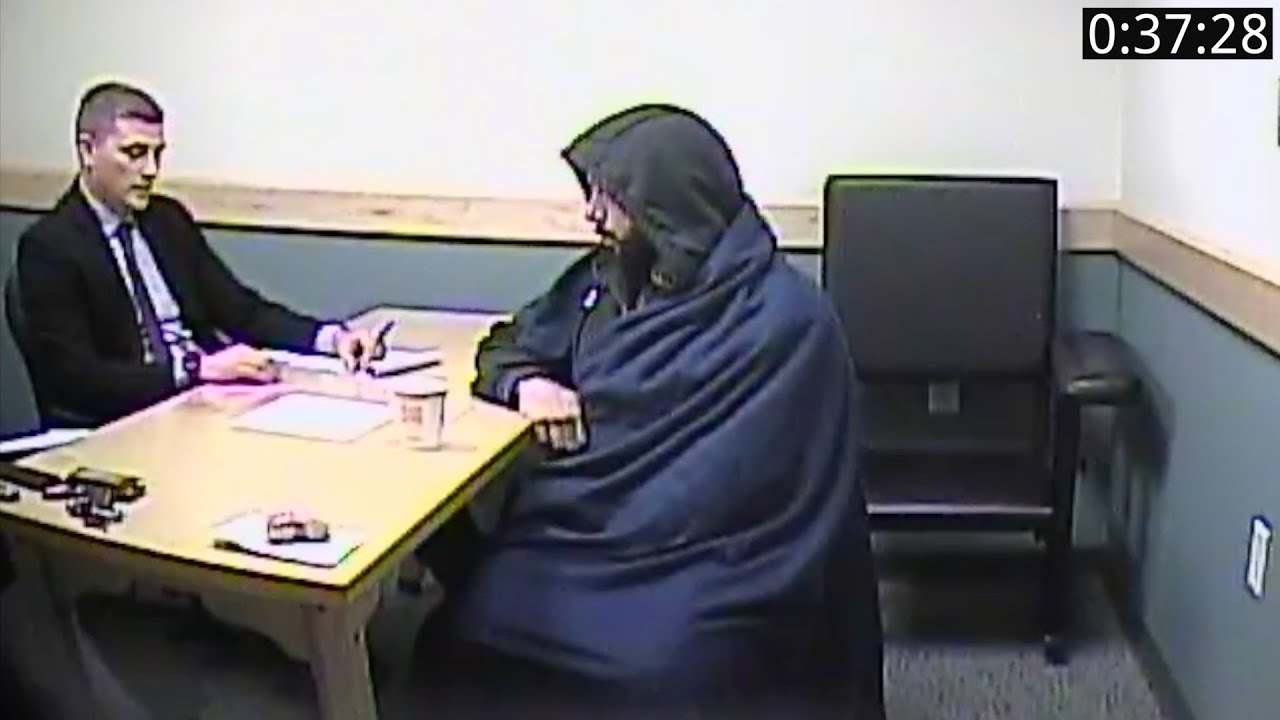
Before the interrogation footage begins, the video cuts to trial testimony from Sergeant Nolan, one of the officers who handled Ferlazzo. She describes the ride to the barracks — the pat-down, turning up the heat because it was cold, asking if he was hungry, promising food when they arrived — and a roughly 30-second briefing to her colleague as they walked him from the entrance to Interview Room 3. The narrator’s point is that none of this was small talk: it was the first move in a deliberate strategy, stripping the room of tension so a suspect who craves validation would feel comfortable enough to talk.
The interrogation itself starts about twenty minutes in, and it is the opposite of the shouting matches true crime viewers expect. The officers are cordial, unhurried, and non-threatening — no judgment, no suspicion, certainly no fear, as the narrator puts it. Ferlazzo, described on screen as extremely dangerous and unpredictable, answers questions about an ordinary walk to a gas station as if nothing has happened. He talks, at length, in his own words — including the line the video uses as its description, about calories and why he would put them in. The video tracks how the officers protect his ego, laugh at his jokes, and let him feel in control of the room, while quietly locking him into specifics. It ends where the real case did: Ferlazzo initially took responsibility in that interview, then claimed self-defense at trial; a jury convicted him of first-degree murder in December 2024, and he was sentenced in April 2025 to 42.5 years to life.
Strengths
The thesis is argued, not just asserted. Too many interrogation videos are footage with ominous narration pasted over the top. Here every clip serves the argument — the testimony first, the footage second, the narration connecting them — so the video feels like a case study rather than a highlight reel.
The detectives get to explain their own method. Opening with Sergeant Nolan’s testimony is the video’s smartest structural choice. Hearing an officer describe the choreography in her own words — the food, the heat, the 30-second briefing — gives the analysis a source instead of leaving it as the narrator’s guesswork.
The footage is allowed to breathe. JCS trusts the material. Long stretches of the interrogation play without interruption, so you can watch Ferlazzo’s demeanor shift in real time and judge the narrator’s reading of it for yourself, rather than being told what to think in every cut.
Weaknesses
“Narcissist” is the channel’s framing, not a diagnosis. The title labels Ferlazzo a narcissist, and the video treats that as its working premise — but no clinical assessment is presented. The analysis is persuasive as commentary on his behavior in the room; take it as interpretation rather than a settled psychological finding.
The slow opening tests patience. Nearly twenty minutes pass before the interrogation itself begins, between the introduction and the trial testimony. The setup earns its place, but viewers who came for the interview room will feel the wait.
Thin on the victim’s story. The video lives almost entirely inside the investigation and the interview room. Emily Ferlazzo — a 22-year-old nurse whose life was cut short on an anniversary trip — gets far less time than the technique used to question the man who killed her, and viewers who want her fuller story will need to look elsewhere.
Who Should Watch
- JCS loyalists — the channel’s first major release in a long stretch, and it shows why its uploads are events.
- Interrogation-technique students — a rare, fully explained example of rapport-based interviewing used on a dangerous suspect.
- Criminal-psychology viewers — the video is as much about personality and persuasion as it is about the crime.
- True crime viewers who want the method, not just the murder — the case is the vehicle; the interrogation is the subject.
9/10
JCS at its best — a clear thesis, testimony that backs it up, and interrogation footage allowed to speak for itself. The “narcissist” label is the channel’s framing rather than a diagnosis, and the opening runs long, but as a study of how warmth can be an interrogation weapon, it is one of the channel’s strongest videos.
Source: JCS - Criminal Psychology on YouTube (“How To Interrogate a Narcissist,” published December 17, 2025); case background via contemporary Vermont reporting on the 2021 killing of Emily Ferlazzo and the 2024–2025 trial and sentencing.