48 Hours’ What the Cameras Saw Video: The Suicide Story the Footage Would Not Support
On November 15, 2022, Savannah Tolbert, 37, was found dead in the passenger seat of a car outside a Huntsville, Alabama strip mall, a gun in her hand. At first glance it looked like suicide. 48 Hours’ 41-minute episode shows why investigators, and later a jury, did not accept that reading.
The title is the method. With few direct witnesses, investigators turned to the cameras around the strip mall on Highway 72 and to the physical evidence inside the car, and rebuilt the timeline from recordings rather than from any one person’s account. The episode, reported by Anne-Marie Green, follows that reconstruction step by step.
The video, first aired on October 24, 2026 and published on YouTube on October 30, 2026, has drawn 1,752,551 views. It is a contained, single-case episode: one disputed scene, one body of camera and forensic evidence, and a trial that turned on whether that evidence excluded the suicide account.
At a Glance
| Video | “What the Cameras Saw | Full Episode” |
|---|---|
| Channel | 48 Hours |
| Published | October 30, 2026 |
| Length | ~41 minutes |
| Views | 1,752,551 |
| Subject | The 2022 death of Savannah Tolbert in Huntsville, Alabama; the investigation and capital murder trial of David Tolbert |
What the Video Covers
The video opens on November 15, 2022, in Huntsville, Alabama. Savannah Tolbert, a 37-year-old mother, was found in the passenger seat of the family car outside a strip mall, shot, with a gun in her hand. Her husband, David Tolbert, said she had shot herself while he was inside a store. Police began with that account — and with a scene that did not fit it neatly.
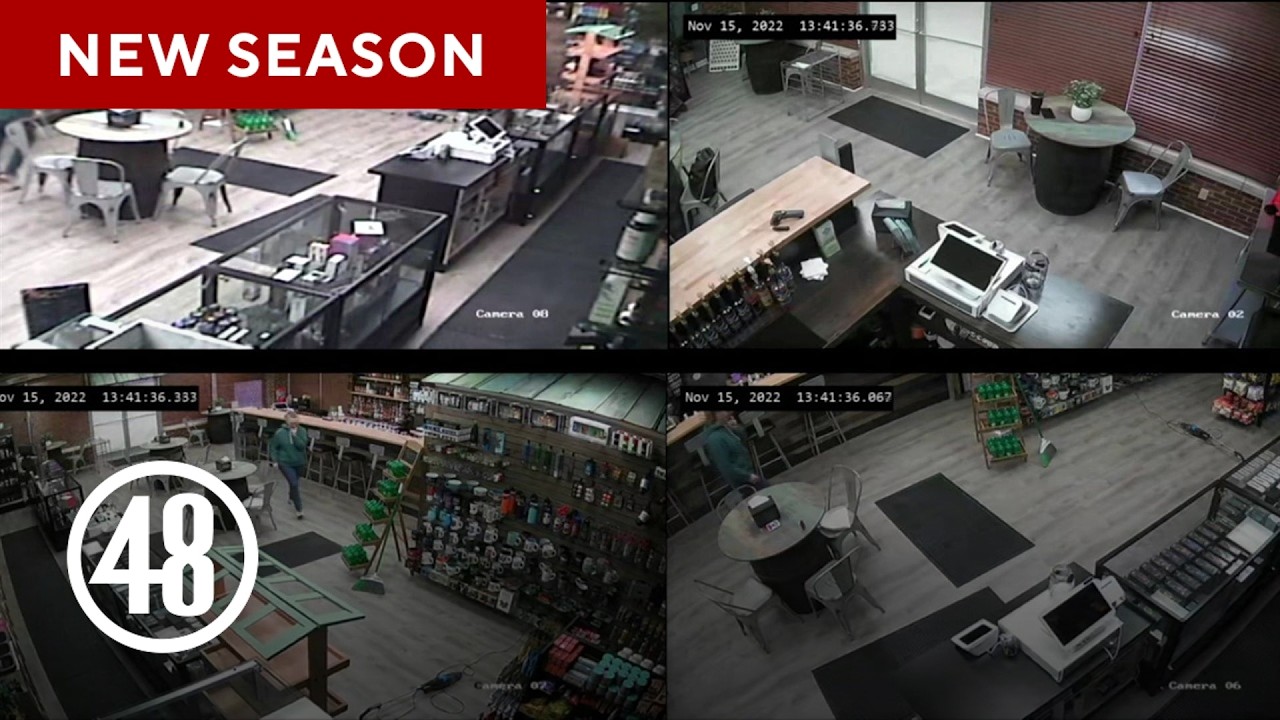
The middle of the episode works through the inconsistencies and the footage. Contemporary reporting on the case describes a wound and a gun position that sat awkwardly with the suicide account, no gunshot residue found on Savannah’s hands, and residue reported on David’s. Investigators then tracked down surveillance footage from around the mall, which, as the programme’s own reporting summarises it, showed Savannah and David were the only people in and around the car around the time of the shooting. Savannah’s sisters, Holly and April Hancock, are among those interviewed, and their position is clear throughout: they did not believe she had killed herself.
It closes with the legal outcome. David Tolbert was arrested on December 9, 2022 and charged with capital murder. At trial in Madison County in May 2025, prosecutors centred their case on the camera evidence and the physical findings; on May 8, 2025 a jury convicted him of capital murder, and he was sentenced to life in prison without the possibility of parole. Alabama’s appeals courts later upheld the conviction.
Strengths
The camera evidence is handled methodically. Rather than treating surveillance footage as a single dramatic reveal, the episode shows how multiple cameras, timestamps and sightlines are combined into a timeline — and how that timeline, not a confession, is what narrowed the case to the people around the car.
The physical evidence is explained in plain terms. Gunshot residue, the position of the gun, and the medical examiner’s findings are each tied to a specific question about the suicide account, so viewers can follow why investigators changed direction instead of simply being told that they did.
Savannah’s family gets real time. Her sisters and her daughter are not brief reaction shots; their account of Savannah, and of why they pressed for the death to be treated as a homicide, is a structural part of the episode, and it keeps the victim, rather than the staging question, at its centre.
Weaknesses
The 41-minute format compresses the trial. A capital murder trial built on competing readings of distant, imperfect footage is reduced to its main exhibits and its verdict. Viewers who want to understand how the defence challenged the footage — including what a camera 100 yards away could and could not show — will need the court reporting alongside this episode.
The defence case is present, but thinner. David Tolbert maintained that Savannah shot herself, and he has continued to challenge the conviction on appeal. That position is heard, but the episode is built largely from the investigation’s material, and viewers should keep that weighting in mind.
Little on the wider context. Deaths staged to look like suicides, and how often initial readings of such scenes are revised, get little room in an episode focused tightly on one car, one mall and one afternoon.
Who Should Watch
- Surveillance-evidence viewers — a clear example of how ordinary security cameras, combined, can decide what a disputed scene can and cannot support.
- 48 Hours regulars — a representative single-case episode, reported by Anne-Marie Green, built around investigators and family rather than a confession.
- Forensic-process viewers — gunshot residue, wound evidence and timeline reconstruction are explained through one concrete case.
- True crime newcomers — a contained, fully resolved case that is easy to follow in a single sitting.
8/10
A methodical, evidence-led episode: the cameras and the physical findings are explained clearly, Savannah’s family stays central, and the case is followed through trial and appeal. The defence and the trial itself are compressed, but the reconstruction at the heart of it is handled with care.
Source: 48 Hours on YouTube (“What the Cameras Saw | Full Episode,” published October 30, 2026); case background via CBS/Paramount and contemporary Alabama reporting on the Savannah Tolbert case.