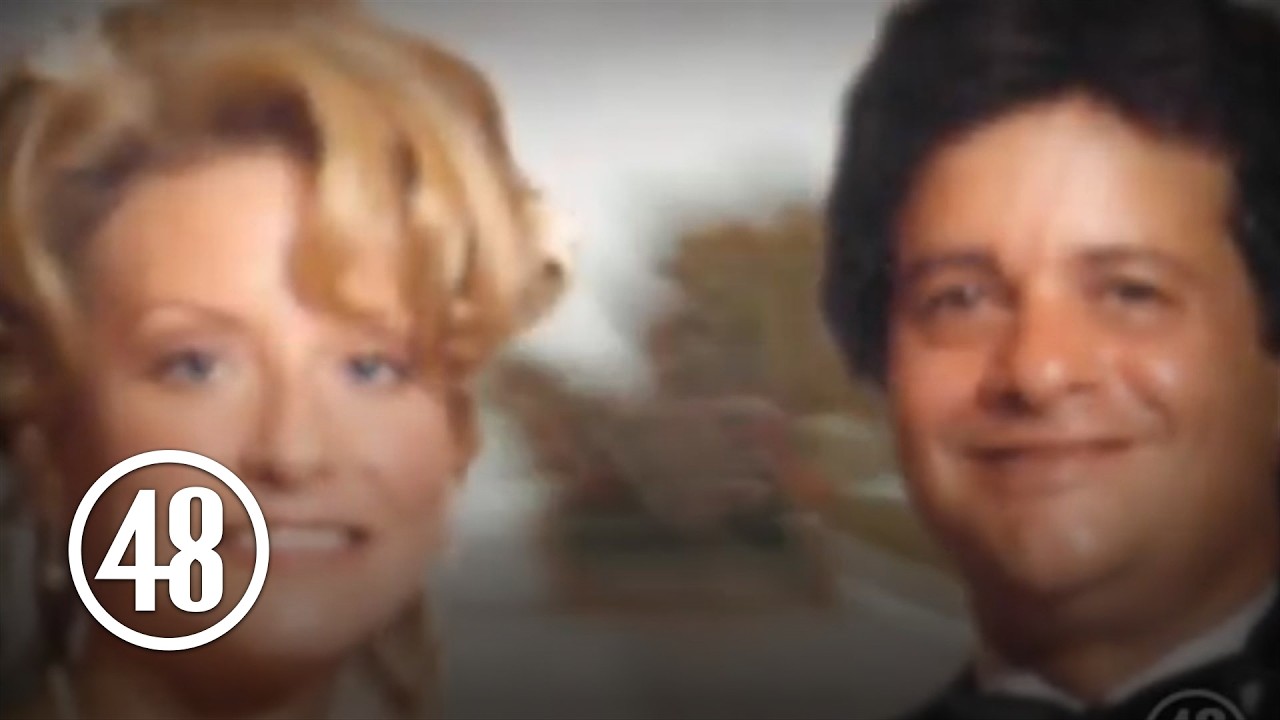
48 Hours' Puppet Master Video: The Shooting, the Gunman, and the Man Prosecutors Said Paid for It
On October 14, 1997, Heather and John Grossman were driving to lunch in Boca Raton when a rifle fired from a car alongside them. John was grazed. Heather, 31, was struck in the neck and left paralyzed from the neck down. 48 Hours' episode, reported by Troy Roberts, asks the question investigators faced next: the gunman was identifiable — but who had sent him?
48 Hours, a channel with 2.6 million subscribers, built its reputation on exactly this kind of case: a single crime, reported through the people who lived it and the prosecutors who tried it. This episode first aired in May 2008 and was uploaded to YouTube in October 2026, and its structure reflects that broadcast discipline — the shooting first, then the chain of intermediaries, then the trial of the man at the end of that chain.
The video has drawn more than 703,000 views since its YouTube upload. It holds up because the central question is genuinely difficult to prove: how do you convict a man who was not in the car, did not hold the rifle, and denied everything — on the word of the men who say he paid them?
At a Glance
| Video | “The Puppet Master | Full Episode” |
|---|---|
| Channel | 48 Hours |
| Published | October 29, 2026 |
| Length | ~42 minutes |
| Views | 703,135 |
| Subject | The 1997 shooting of Heather and John Grossman in Boca Raton; the murder-for-hire investigation and Ron Samuels' 2006 trial |
What the Video Covers
The video opens on October 14, 1997, in Boca Raton, Florida. Heather Grossman, 31, and her husband John, 47, were driving a black Lincoln Continental to lunch when a car pulled alongside at Federal Highway and Yamato Road and shots were fired. A bullet struck Heather in the neck and severed her spinal cord, leaving her a quadriplegic dependent on a ventilator. John was grazed in the face and survived. Heather says she knew immediately who she believed was behind it: her ex-husband, Ron Samuels, the father of her three children, with whom she was in a bitter custody fight — a judge had awarded her permanent custody just eight days earlier.
The middle section traces the chain from gunman to alleged mastermind. The shooter was Roger Runyon, a former National Guard marksman, driven by Eddie “Slim” Stafford in a green Ford Thunderbird. Investigators traced the car to Hugh Estess, an insurance acquaintance of Samuels, and under pressure Estess named the others; Runyon's fingerprint was found on the car. Prosecutors said Samuels — a former car dealership owner — had paid Estess between $5,000 and $7,000 to arrange the killing, motivated by the custody battle, child support and a $1 million life insurance policy on Heather's life, and had kept himself at a distance from the men who carried it out. Runyon, Stafford and Estess were granted immunity to testify against him. Before his Florida trial, Samuels fled to Mexico, where he served five years in prison, and was then returned to face the charges.
The final section covers the 2006 trial in West Palm Beach. Runyon admitted on the stand that he had shot Heather and John and identified Heather as the primary target — testimony that provoked an outburst from Samuels in court. Samuels testified in his own defence and maintained his innocence, arguing that men testifying under immunity deals had reason to lie. After three weeks of testimony, the jury convicted him of attempted first-degree murder and related conspiracy and solicitation charges. He was sentenced to life in prison plus 120 years and ordered to pay restitution. The episode closes with Heather, who requires round-the-clock care, describing life after the verdict — the shooter, she notes, was never the man she held most responsible.
Strengths
Heather Grossman's own voice carries the episode. The victim is not a premise here but the central witness: she describes the shooting, the custody fight that preceded it, and what the injury cost her, in her own words and at length. That keeps a plot-heavy story — gunman, driver, middleman, alleged payer — anchored to the person it was done to.
The chain-of-intermediaries problem is explained clearly. Murder-for-hire cases turn on credibility, and the episode is careful about it: it shows why investigators needed the car, the fingerprint and the phone records alongside accomplice testimony, and it gives Samuels' counter-argument — that immunity deals reward a useful story — a fair hearing before the verdict.
It covers the full arc. Shooting in 1997, flight to Mexico, trial in 2006, sentence of life plus 120 years: the episode does not stop at the arrest or the identification of the gunman, which is where a shorter treatment would end. Viewers get the legal outcome and the reasoning behind it.
Weaknesses
It is a 2008 broadcast, and it feels like one. The pacing, graphics and narration style are of their era, and the episode cannot reflect anything after the trial — later appeals, Samuels' continued claims of innocence, or Heather Grossman's life and advocacy in the years since. Treat it as a complete account of the case to 2006, not a current-status report.
The defence case gets less room than the prosecution's. Samuels' denial and his challenge to the immunity witnesses are presented, but the episode's sympathies — and most of its interviews — sit with Heather and the prosecutors. Viewers who want the strongest version of the argument that the accomplices framed him will need the trial record itself.
Some family history is compressed. A decade of marriage, divorce and custody litigation is necessarily summarised in minutes. The compression is understandable in 42 minutes, but the custody dispute is the alleged motive, and viewers may want fuller reporting on how it escalated before the shooting.
Who Should Watch
- Murder-for-hire case followers — a textbook chain-of-intermediaries prosecution, from the traced car to the immunity deals.
- 48 Hours regulars — a classic Troy Roberts episode in the programme's broadcast prime, now on YouTube in full.
- Trial viewers — accomplice testimony, a defendant who testifies, and a courtroom outburst, all leading to a life-plus-120-years sentence.
- Victim-centred true crime viewers — Heather Grossman's testimony and its aftermath are the episode's centre, not its backdrop.
8/10
A durable classic of the 48 Hours catalogue — Heather Grossman's voice anchors a complicated murder-for-hire chain, the trial is covered through to sentence, and the defence's credibility challenge is aired even if briefly. Dated in style and frozen at 2008, but as a single-episode account of the Grossman case it remains clear, complete and respectful.
Source: 48 Hours on YouTube (“The Puppet Master | Full Episode,” published October 29, 2026; episode reported by Troy Roberts, first aired May 2008); case background via CBS News' “The Puppet Master” reporting and contemporary Florida coverage of the 1997 Boca Raton shooting and Ron Samuels' 2006 trial and sentencing.