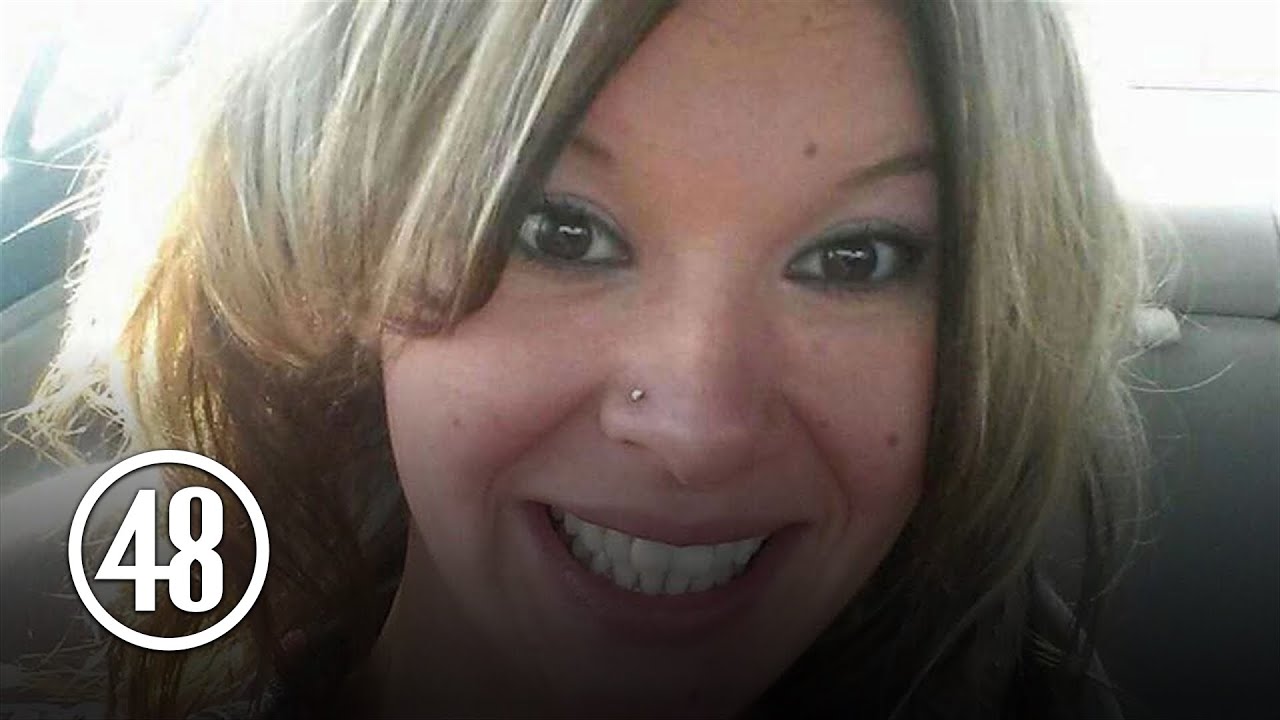
48 Hours' Heather Bogle Video: Two Investigations, Two Very Different Detectives
Heather Bogle, a 28-year-old single mother, clocked out from her night shift at the Whirlpool plant in Clyde, Ohio, on the morning of April 9, 2015, and never picked up her 5-year-old daughter. Her body was found the next day in the trunk of her car. 48 Hours' 41-minute episode, reported by Jim Axelrod, is as much about the investigation that failed her as the one that finally solved her murder.
Most 48 Hours episodes are built around a single question: who did it? This one is built around two. For more than two years, the answer the first investigation produced was wrong — not for lack of effort, but because its lead detective settled on suspects early and stopped following the evidence where it actually pointed. The episode's title is literal: it contrasts that first investigation with the second one, led by a new sheriff who started again from the victim's own phone records.
The episode was published on YouTube in July 2023 and has drawn more than 4.2 million views. It holds up well because the underlying story keeps widening: a mishandled murder inquiry, a detective who ended up prosecuted himself, and a final question the title of the original broadcast posed outright — were there other victims?
At a Glance
| Video | “Good Cop/Bad Cop: Solving the Murder of Heather Bogle | Full Episode” |
|---|---|
| Channel | 48 Hours |
| Published | July 18, 2023 |
| Length | ~41 minutes |
| Views | 4,214,298 |
| Subject | The 2015 murder of Heather Bogle in Clyde, Ohio; the flawed first investigation and the GPS and DNA case against Daniel Myers |
What the Video Covers
The video opens in April 2015, in Sandusky County, Ohio. Heather Bogle leaves her overnight shift at the Whirlpool plant at about 6:17 a.m. and disappears. The following day, her car is found at an apartment complex and her body is discovered in its trunk; she had been beaten and shot. The case falls to the Sandusky County Sheriff's Office, and its lead detective, Sean O'Connell, takes charge of the investigation.
The middle of the episode is an account of an investigation that went wrong and stayed wrong. O'Connell focused for more than a year on people who had no connection to the killing, even as evidence cleared them and as a coworker's name, raised early on, went unchecked. While that inquiry stalled, the man responsible remained free. The episode does not treat this as simple incompetence: O'Connell was later charged, pleaded guilty to tampering with evidence in 2018, and was sentenced to two years in prison — a remarkable outcome the video gives the weight it deserves.
The final act follows the second investigation. Sheriff Chris Hilton reopened the case and went back to basics: Bogle's own phone records. GPS data placed her, minutes after leaving work, at a trailer belonging to Daniel Myers, a Whirlpool coworker who claimed he barely knew her — yet had attended her funeral. Myers refused to provide a DNA sample; investigators returned with a warrant, and his DNA matched DNA recovered from under Bogle's fingernails. In February 2019, Myers pleaded guilty and was sentenced to life in prison without parole, plus 20 years. The episode closes by revisiting an earlier death in Myers's past — an ex-girlfriend found dead six years before Bogle, in a case first ruled a suicide — and asking whether Bogle was his only victim.
Strengths
The investigation itself is the story. True crime coverage usually treats police work as a straight line from crime scene to courtroom. This episode shows the opposite: how tunnel vision forms, how exculpatory evidence gets set aside, and what it costs — here, more than two years with a killer at liberty and innocent people under suspicion. That makes it genuinely instructive, not just dramatic.
The turning point is evidence, not theatrics. The case breaks on records that had existed all along — the GPS trail from Bogle's phone and the DNA under her fingernails. The episode is clear about the sequence: a new investigator asked a basic question of old evidence, and the answer pointed to a man the first investigation had never seriously examined. It is a strong, concrete illustration of why fresh-eyes reviews matter.
Bogle stays a person, not a premise. The episode keeps her circumstances in view: a mother working nights, studying toward a nursing qualification, whose failure to collect her daughter was the first alarm. The wrongly pursued suspects also get a fair hearing — viewers hear what it meant to live under that suspicion — which keeps the accountability theme honest rather than one-sided.
Weaknesses
The title promises a neater contrast than the story delivers. “Good cop/bad cop” is a memorable frame, but the reality the episode documents is messier — institutional failure, a sheriff's office under strain, and decisions spread across more people than one detective. The framing occasionally flattens that wider picture into a two-character contest.
The closing question is left genuinely open. The episode raises the earlier death in Myers's past and asks whether there were other victims, but it cannot answer it — the earlier case was ruled a suicide at the time, and the episode offers suspicion and unanswered questions rather than findings. Viewers who want resolution on that thread will not get it here.
Broadcast pacing smooths over some detail. In 41 minutes, the mechanics of the tampering case against O'Connell, and of how the original suspects were cleared, are necessarily compressed. Anyone who wants the full procedural record — what was altered, when, and what oversight failed — will need the contemporary Ohio court reporting alongside the episode.
Who Should Watch
- Viewers interested in how investigations fail — a clear, case-length study of tunnel vision and its consequences.
- 48 Hours regulars — a standout episode in which the police work, not just the crime, carries the narrative.
- Digital-evidence followers — the GPS and DNA turns are explained plainly and in sequence.
- True crime viewers who value accountability — the story follows through on the detective as well as the killer.
8/10
A compelling episode with two stories in one: a murder solved by basic evidence work done late, and an investigation so flawed its own detective went to prison. The open final question keeps it from a higher score, but as an account of how a case can go wrong and then be put right, it is well above the genre average.
Source: 48 Hours on YouTube (“Good Cop/Bad Cop: Solving the Murder of Heather Bogle | Full Episode,” published July 18, 2023); case background via contemporary Ohio reporting on the 2015 Sandusky County case, the 2018 prosecution of Sean O'Connell, and Daniel Myers's 2019 guilty plea.